Last updated November 23, 2026
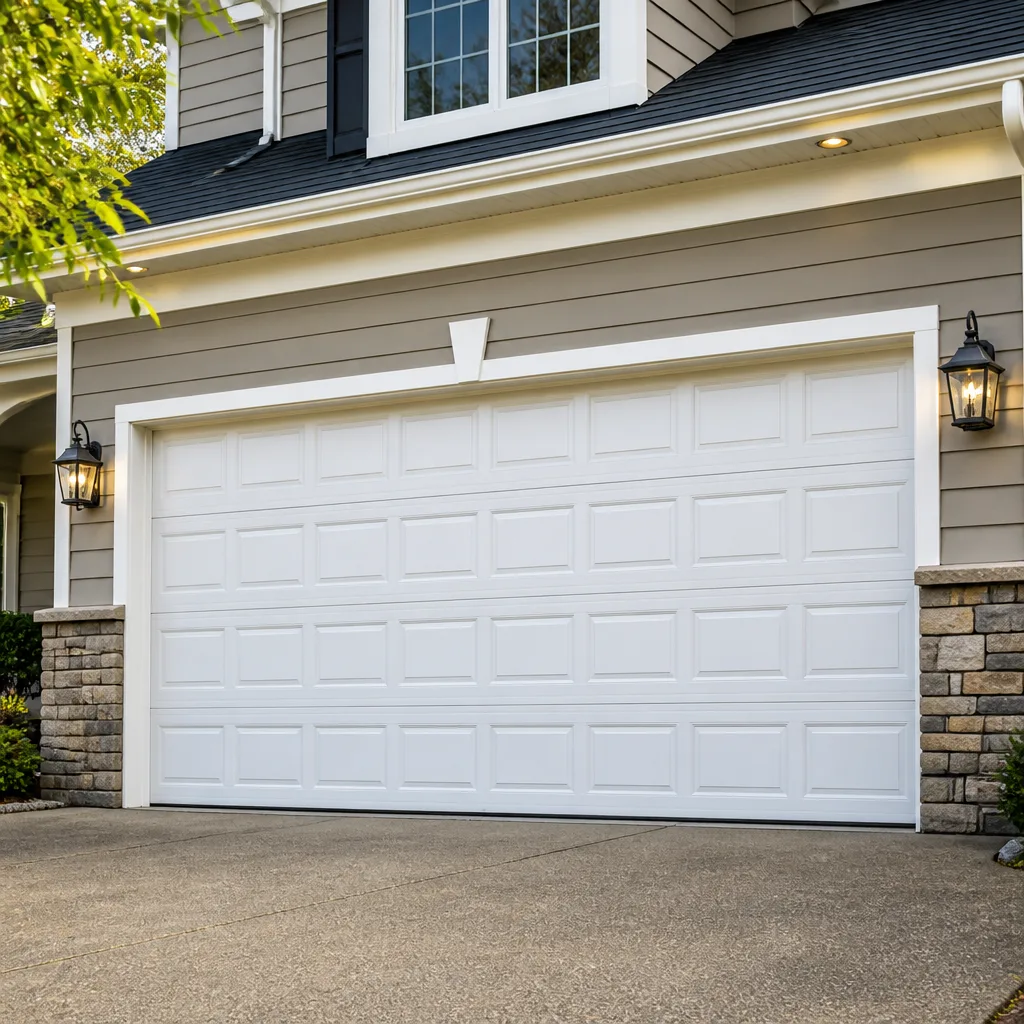 Raised-panel steel
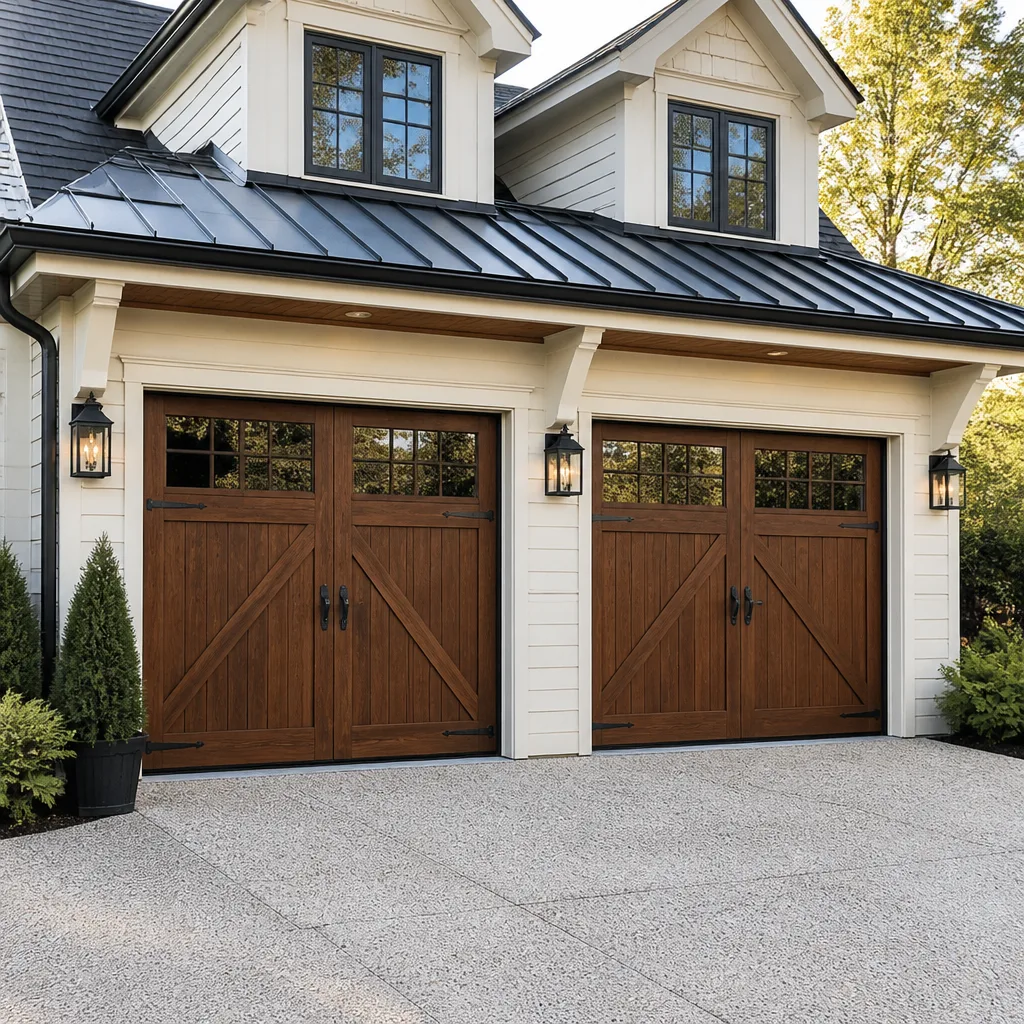 Carriage house
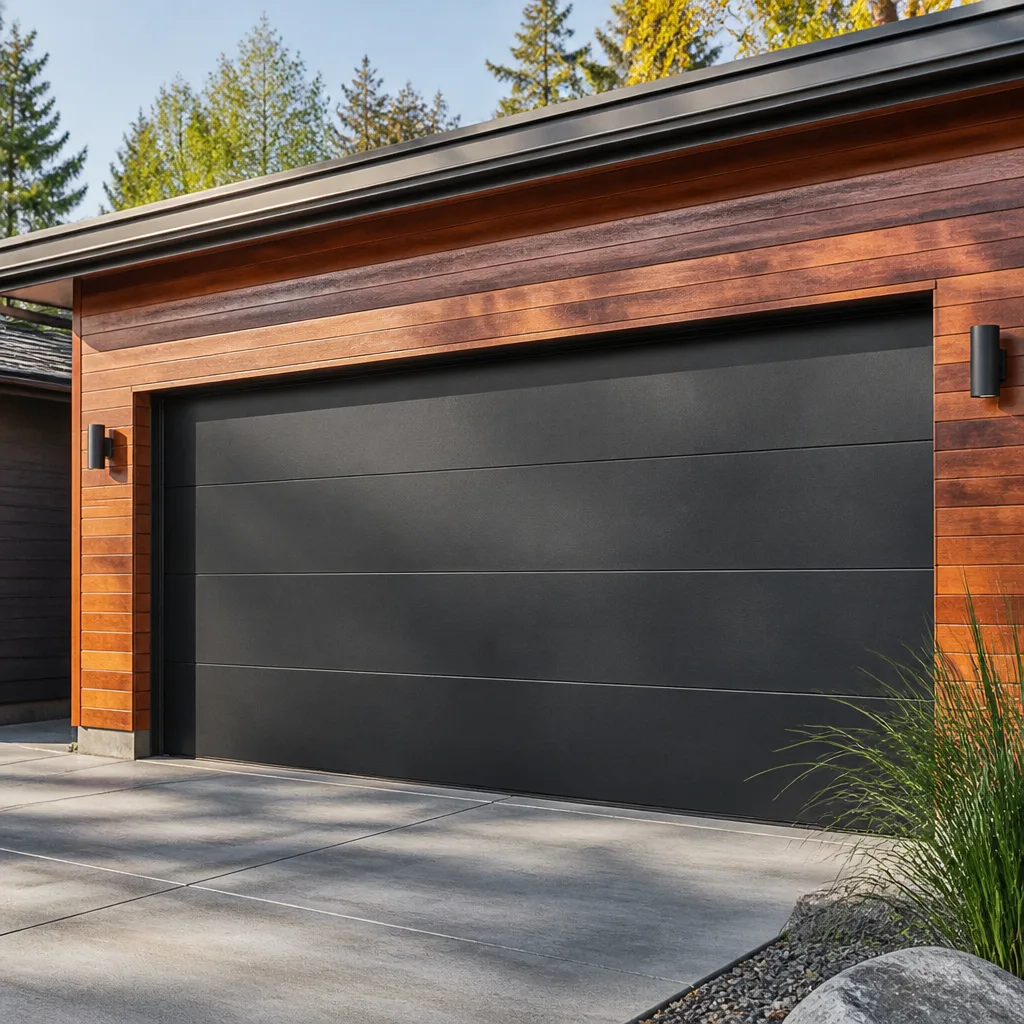 Modern flush
 Full-view glass
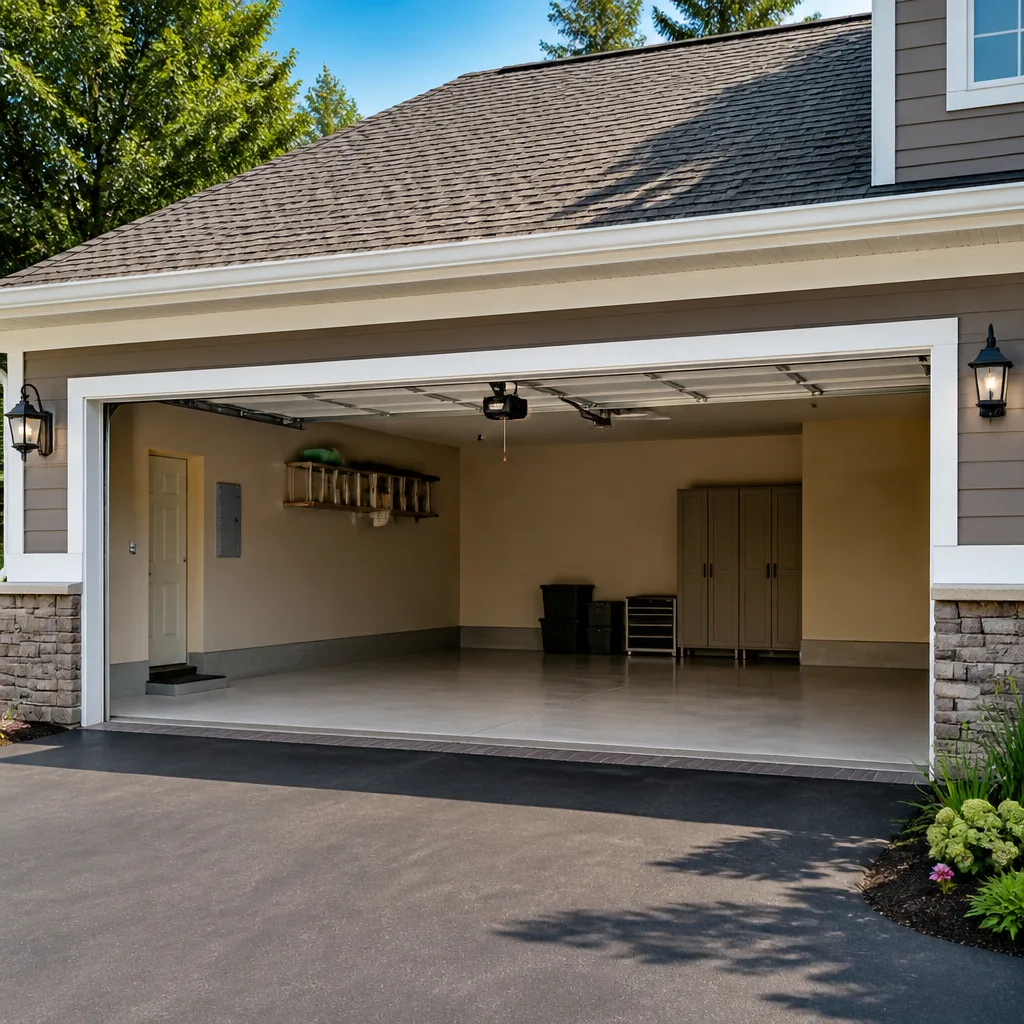 LiftMaster openers
 Chamberlain openers
Full 25-point door and opener safety check with every visit - springs, cables, rollers, tracks, and your LiftMaster or Chamberlain opener included
You get a price before we start. It does not change when the pro arrives.
Get your free estimateGarage Door Repair Maintenance Checklist for Woodbridge Homeowners
Most garage door checklists you’ll find online were written for a house in a climate that isn’t yours. They talk about rust from coastal air and hail dents from spring storms, then hand you a single annual to-do list that nobody actually follows. That misses what we actually see failing in Woodbridge. The parts that wear out here are specific: hardware pitted by road-salt particulate blowing off Route 1 and I-95, bottom seals split open by the freeze-thaw cycle, and springs that tire faster because the temperature swings from July to January here are hard on steel under tension. This guide is built around those patterns. You’ll learn what to check, how often, and how to read what you find before a small fix turns into a large one.
Quick Answer
A garage door maintenance checklist for Woodbridge should cover monthly lubrication and visual checks, semi-annual spring tension and bottom seal inspections timed to the freeze-thaw cycle, and annual opener force-limit testing and full hardware review. The tasks that matter most in this area are lubricating corroded hardware from road-salt drift, checking bottom seals for cracking, and catching spring fatigue early. Skipping these is how a minor adjustment becomes a full repair.
Styles & brands we work with
- Raised-panel steel
- Carriage house
- Modern flush
- Full-view glass
- LiftMaster openers
- Chamberlain openers
Table of Contents
- Why a Woodbridge Checklist Looks Different
- The Hardware That Corrodes Fastest Here
- How to Test Spring Tension Safely
- Bottom Seal Inspection and the Freeze-Thaw Cycle
- Opener Force-Limit Testing in 60 Seconds
- Your Monthly, Semi-Annual, and Annual Schedule
- Safety Checks Before Anything Else
- When a Task Needs a Trained Technician
Why a Woodbridge Garage Door Maintenance Checklist Looks Different
Woodbridge sits in a corridor where a lot of road salt ends up in the air and on the ground. Route 1 and I-95 carry heavy winter traffic, and the salt that keeps those roads passable doesn’t stay on the asphalt. It drifts, settles, and lands on the metal closest to the ground: your bottom brackets, hinges, rollers, and the lower sections of your door. Add the freeze-thaw cycle that hits Northern Virginia most winters, and you have two forces working on the same hardware from opposite directions. The salt eats the finish, then the temperature changes work the moisture in and out of every seam.
Springs feel it too. A torsion spring holds a door weighing well over a hundred pounds under constant tension. Steel under tension doesn’t like big temperature swings, and Woodbridge gets them. A garage might sit near freezing in January and climb past 90 degrees inside by August. Every one of those cycles is a small stress event on the spring wire.
That’s the reasoning behind this checklist. It isn’t organized by what’s easy to remember. It’s organized around what we see failing on doors in Woodbridge, and it’s split into monthly, semi-annual, and annual tasks so you’re not staring down one giant list every spring. If you’d rather hand the whole thing to a specialist, Woodbridge Garage Door Repair Experts covers every task below as a core service.
The Hardware That Corrodes Fastest Here
The parts that corrode first in Woodbridge are the ones closest to the floor and the ones that move most. That means bottom brackets, hinges at the lower and middle sections, and the roller stems. Salt particulate settles low and works into every pivot point. If your door faces the street or a driveway that drains toward the door, it’ll show wear sooner than a door tucked behind a house.
Not every lubricant belongs on every part. Using the wrong one attracts dirt or gums up in cold weather. Here’s how we match the product to the hardware:
- Hinges and pivot points: a lithium-based or silicone-based garage door lubricant. Avoid heavy grease, which holds grit and turns into a grinding paste over a Woodbridge winter.
- Roller stems and bearings: a few drops of light machine oil or a spray silicone. Don’t oil the roller wheel itself, only the stem where it turns.
- Torsion springs: a light coat of spray lubricant reduces friction between coils. Do this with the door closed and don’t touch the spring with your hands; a trained technician handles anything more than a surface spray.
- Track surfaces: wipe clean with a damp cloth. Don’t lubricate the track itself, since it needs to stay dry so the rollers can roll instead of slide.
- Weatherstripping and seals: a silicone spray keeps rubber pliable through the cold. Petroleum-based products break rubber down faster.
Do this once a month and it takes about ten minutes. It’s the single cheapest thing you can do for a door, and it’s the difference between hardware that moves freely for years and hardware that seizes at the worst possible moment. A door that’s binding is also a door that’s straining its opener.
How to Test Spring Tension Safely and What the Numbers Mean
You can learn a lot about your springs without touching them and without tools. The trick is to watch how the door behaves when you disconnect the opener and lift it by hand. Don’t do this if the door feels unusually heavy or you hear a sharp pop when it moves. Springs store enormous energy, and a torsion spring or its cable under load can injure someone badly. This is a check, not a repair.
- Close the door and pull the red manual release cord to disconnect the opener carriage. This lets you move the door by hand.
- Lift the door halfway and let go gently. A well-balanced door should stay roughly where you left it, maybe drift an inch or two.
- If the door drops on its own, the springs are losing tension or the door is out of balance. If it rises on its own, the springs are too tight.
- Lift the door all the way up and back down by hand, listening and feeling. Grinding, a hitch in the travel, or a door that’s suddenly much heavier than you remember all point to spring fatigue.
- Reconnect the opener by pulling the release cord again and running the door through one full cycle.
Here’s how to read what you find. A door that stays put is balanced. A door that drifts an inch is fine. A door that falls several inches tells you the springs are tired and the opener is now doing work the springs should be doing. That’s the pattern that shows up most in Woodbridge: not a spring that snaps overnight, but one that slowly loses tension through a few hard temperature cycles until the opener burns itself out trying to compensate. When you reach that point, garage door spring repair is a job for a trained technician, not a weekend project.
Bottom Seal Inspection and the Freeze-Thaw Cycle
The bottom seal is the rubber or vinyl strip along the base of the door, and it’s the part most exposed to the ground. In Woodbridge, that means it takes the freeze-thaw cycle head-on. Water wicks into small cracks, freezes overnight, expands, and opens the crack wider. Repeat that over a winter and a seal that looked fine in October is shedding chunks by March.
Surface aging and imminent failure look different if you know what to check for:
- Surface aging: a chalky, faded appearance, fine hairline cracks on the outer face, or slight stiffness. This is normal wear and doesn’t need replacing yet.
- Imminent failure: deep cracks that run through the full thickness of the seal, sections that have torn away from the retainer, a seal that’s flattened and no longer touches the floor, or visible gaps when you look under a closed door from outside.
- Water intrusion: puddles or damp spots inside the garage along the door line after rain or snowmelt. That’s a seal that’s stopped doing its job.
Check the seal each time the season changes, and pay special attention after the first hard freeze and again after the last one. A failing seal lets in water, cold air, and pests, and it also lets the door slam against the frame instead of cushioning it. Replacing a bottom seal is one of the lower-cost fixes on a door, and catching it early keeps water away from the door’s lower panels, which are the ones most affected by the salt and moisture in this area.
Opener Force-Limit Testing: The 60-Second Check That Reveals Motor Wear
Your opener has a force limit: the amount of resistance it will push through before it reverses. That setting protects people and property, and when it drifts, it tells you the motor is working harder than it should. You can test it in about a minute without any tools, using just your hand.
- Stand clear of the door and start it closing. Keep your hand near the bottom edge but not under it.
- Press lightly against the bottom edge as it comes down. The door should reverse immediately and go back up. If it keeps pushing against your hand before reversing, the force limit is set too high or the motor is straining.
- Test the safety reverse. Lay a roll of paper towels or a piece of wood flat on the floor in the door’s path. The door should reverse when it touches the object. If it doesn’t, stop using the opener until it’s fixed.
- Run the door fully up and down and listen. A motor that sounds labored, grinds, or hesitates at the top or bottom of travel is showing wear.
What you’re really learning is whether the opener is doing its own job or compensating for a door that’s out of balance. If the force test fails but the door moves freely by hand, the opener needs adjustment or repair. If the force test fails and the door is heavy by hand, the springs are the problem, and the opener is the messenger. Either way, the fix is worth doing before the motor fails completely. For connected systems, this is also a good time to test the safety sensors and confirm your app still reports the door state correctly, which matters for LiftMaster and Chamberlain myQ units and Genie Aladdin Connect models alike.
Your Monthly, Semi-Annual, and Annual Maintenance Schedule
One giant annual list gets ignored. A short monthly list gets done. Here’s how we split it for a Woodbridge door.
Monthly (about 10 minutes)
- Lubricate hinges, roller stems, and spring coils with the right product for each part.
- Wipe down the tracks and check for debris, salt grit, or small objects in the door’s path.
- Look at the safety sensors at the base of the track. Wipe the lenses and confirm the indicator light is steady.
- Run the door through one full cycle and listen for anything new.
Semi-Annual (fall and spring, about 30 minutes)
- Run the spring tension balance test described above.
- Inspect the bottom seal for deep cracks, tears, or separation from the retainer.
- Check every hinge and bracket for loose bolts and tighten as needed. This is also when salt-related corrosion shows up on the lower brackets.
- Look at the cables on each side for fraying or slack. Don’t touch them; note what you see and call if anything looks wrong.
- Test the door’s manual release to make sure it engages and disengages smoothly.
Annual (about an hour, or hand it to a technician)
- Test the opener force limit and safety reverse.
- Check the door’s overall balance and travel limits at the open and closed positions.
- Inspect the panels, hinges, and rollers for wear that a quick monthly look might miss.
- Review the opener’s settings and, for smart openers, the app connection and any firmware updates.
- Look at the springs for signs of fatigue: gaps between coils when the door is closed, uneven wear, or a door that’s louder than it used to be.
The semi-annual fall and spring checks line up with the two times of year when the freeze-thaw cycle is most active. Do the deeper check when the seasons change and you’ll catch the seal and spring problems before they get expensive.
Safety Checks Before Anything Else
Before any maintenance, take one minute to make sure the door is safe to work around. This is the part we never skip, and it’s what separates a check from a hazard.
- Never put your fingers near the springs, cables, or the tracks where the rollers sit. Springs and cables are under tension at all times, and a door with a failing spring can move without warning.
- Keep the area under the door clear while you work, and don’t let anyone stand in the door’s path.
- If a spring is snapped, a cable looks frayed, or the door is hanging unevenly, stop. Don’t try to open or close it by hand and don’t run the opener. Call a trained technician. A door that has lost a spring can fall.
- Don’t adjust the springs, cables, or the opener’s force limit beyond the simple test above. Those settings are calibrated to the door’s weight and getting them wrong is dangerous.
- Check the auto-reverse monthly. It’s the single most important safety feature on a garage door and it takes ten seconds to test with an object on the floor.
For anything involving spring tension or a door that’s already moving badly, the watch-and-call approach is the right one. Replacement of a spring or cable is a job for someone who understands the stored energy involved.
When a Task Needs a Trained Technician
Some maintenance is genuinely homeowner territory: lubrication, wiping the tracks, testing the safety reverse, inspecting the seal. Some of it isn’t, and knowing the line is what protects you and your door. Call a professional when a spring has snapped or is visibly sagging, when a cable is frayed or off its drum, when the door is crooked or won’t close evenly, when the opener won’t reverse on command, or when the door has become noticeably heavier to lift. On a door from Amarr, Wayne Dalton, Craftsman, Raynor, or any other common brand, a technician who knows the specific hardware can spot wear patterns that are easy to miss.
Our technicians have up to 12 years of experience, and we work on the major brands found in Woodbridge homes: LiftMaster, Chamberlain, Genie, Clopay, Amarr, Wayne Dalton, Craftsman, and Raynor. That range matters when the job moves from maintenance to garage door repair, because the fix depends on the exact hardware on your door rather than a generic approach. Woodbridge Garage Door Repair Experts offers free estimates in Woodbridge, and the price is quoted and agreed before any work starts. Call (833) 762-7918 to book a check or a repair.
Common Mistakes to Avoid
- Greasing the tracks. A track is a rail, not a bearing. Grease collects grit and salt dust, and the rollers slide instead of roll. Keep tracks dry and clean.
- Using WD-40 as a long-term lubricant on hinges. It’s a decent cleaner, but it doesn’t stay put, and after a Woodbridge winter the hinge is dry again. Use a proper garage door lubricant.
- Ignoring the bottom seal until it’s visibly detached. A seal that’s flattened and not touching the floor lets in water and cold air and lets the door hit the frame. Check it at each season change.
- Adjusting the opener force limit to compensate for a heavy door. That just moves the strain onto the motor. If the door is heavy, the springs are the problem.
- Skipping the balance test because the door still opens. A door can open for months with tired springs, and the opener is the part that pays for it.
- Trying to fix a snapped spring or a slipped cable. These are the two most dangerous parts on a garage door. Watch for the signs and call.
- Assuming smart openers need less checking. A myQ or Aladdin Connect opener still has the same springs, rollers, and safety sensors. The app tells you the door state, not the condition of the hardware.
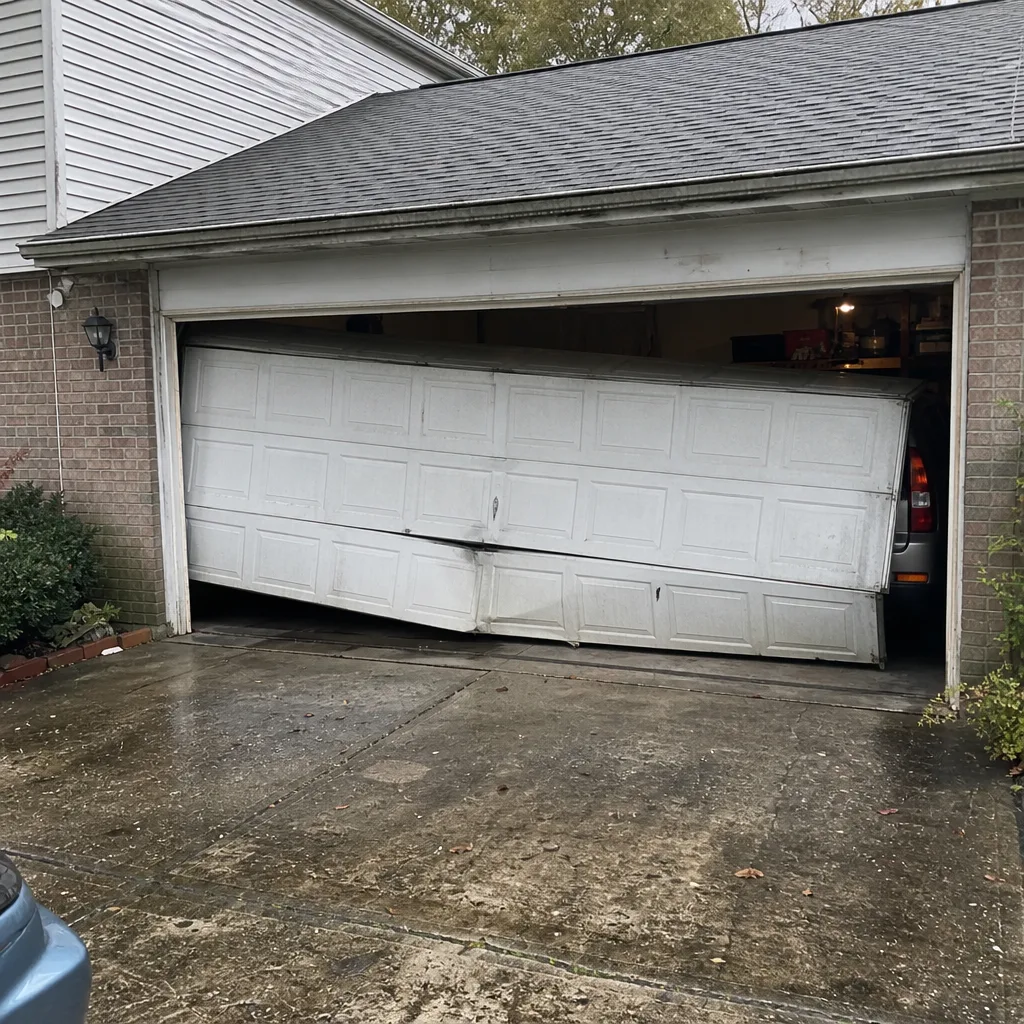
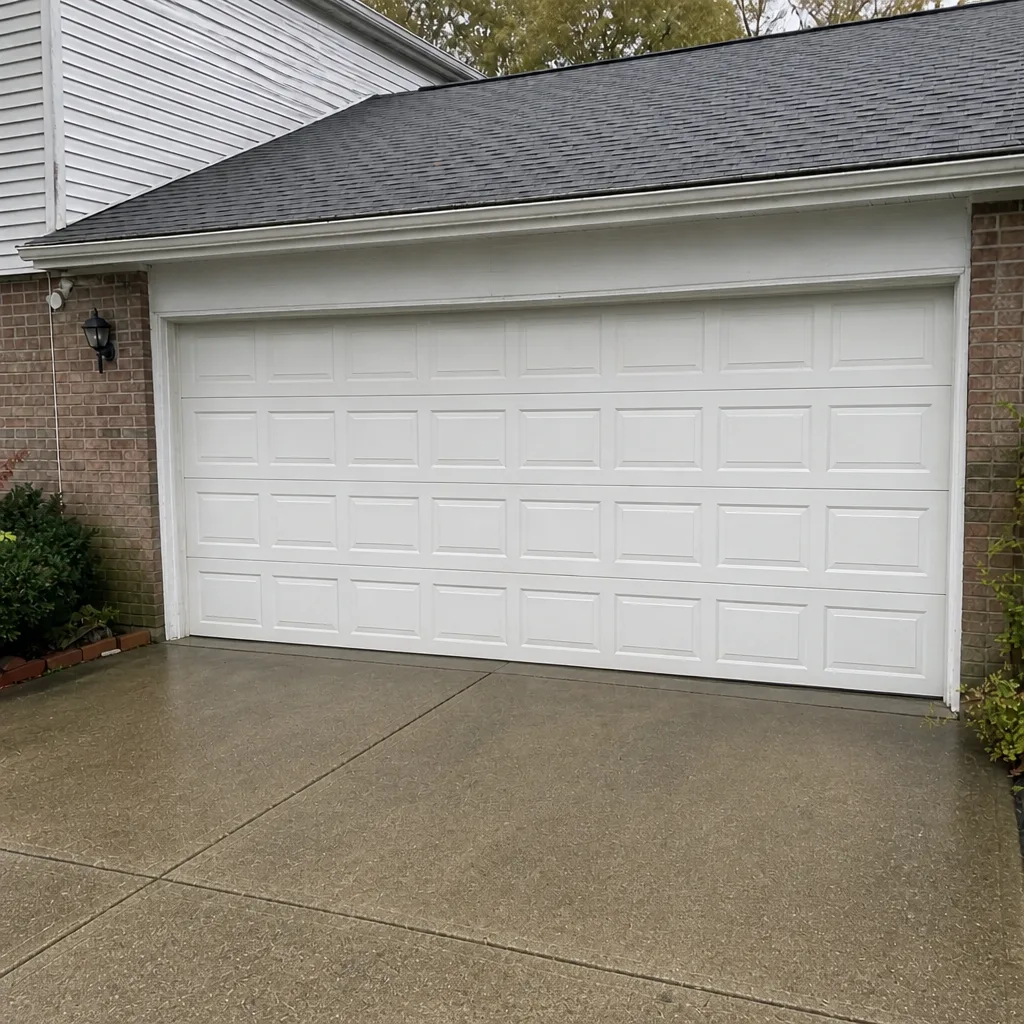
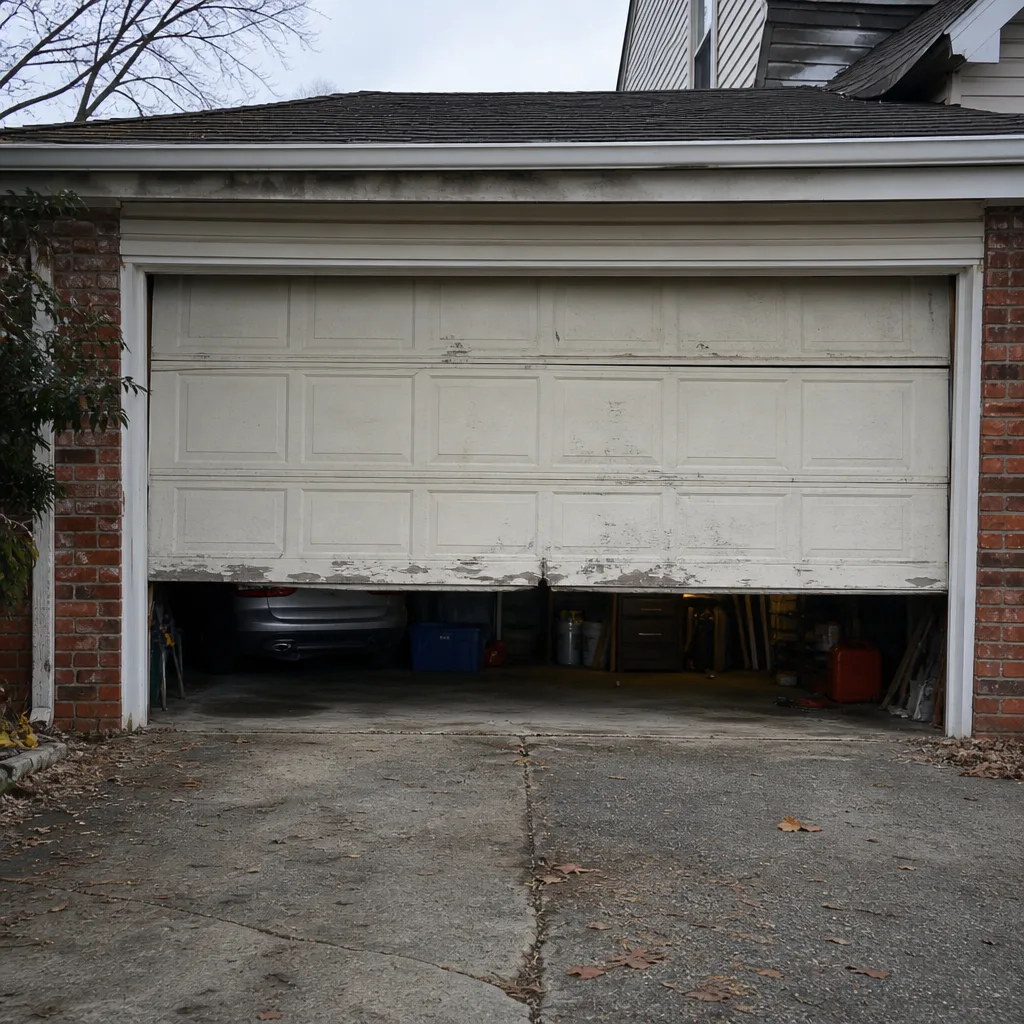
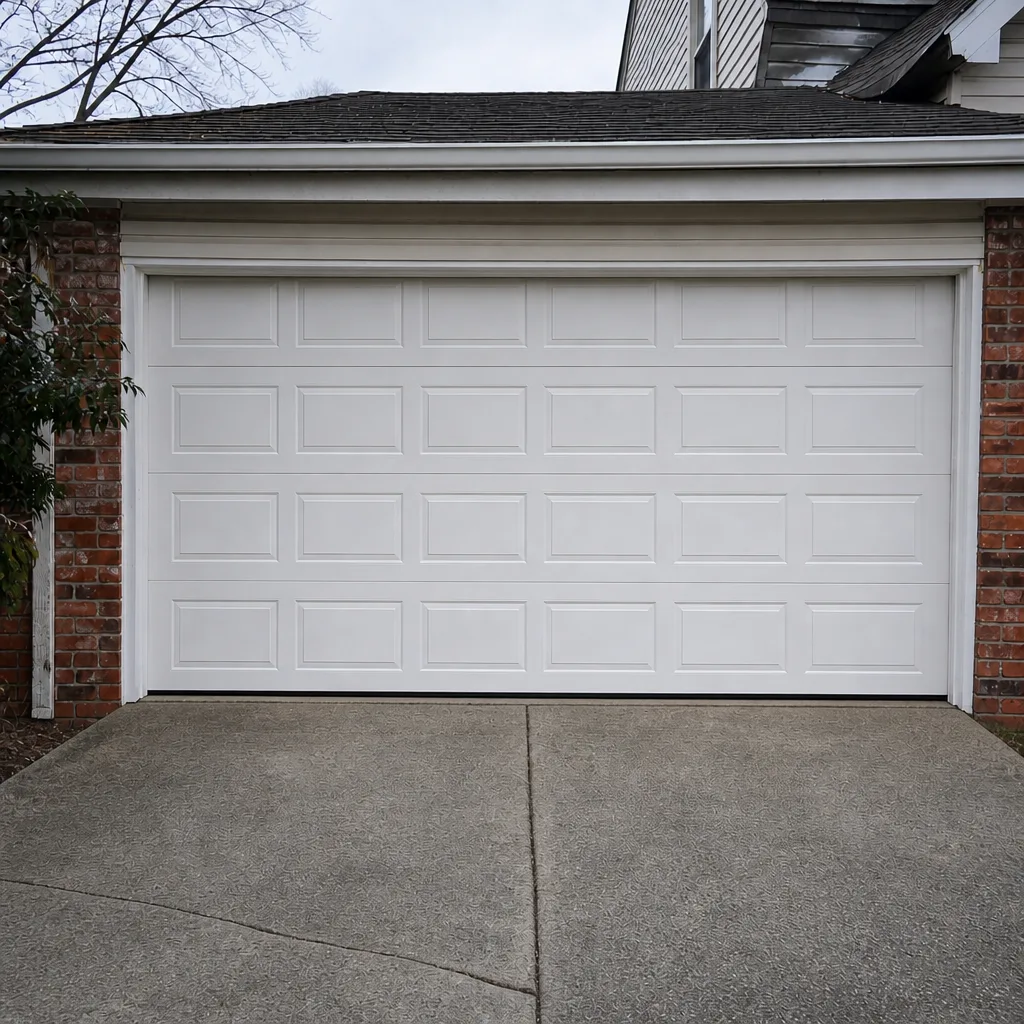
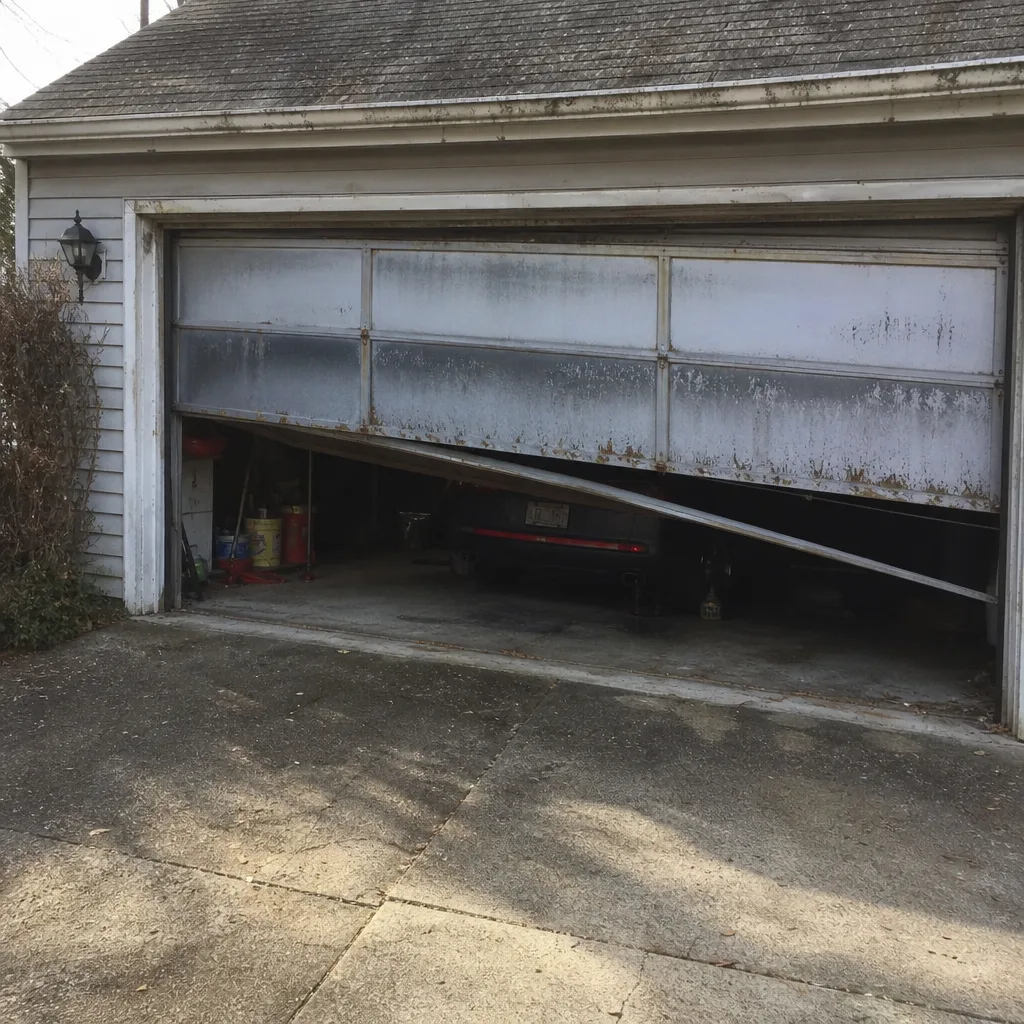
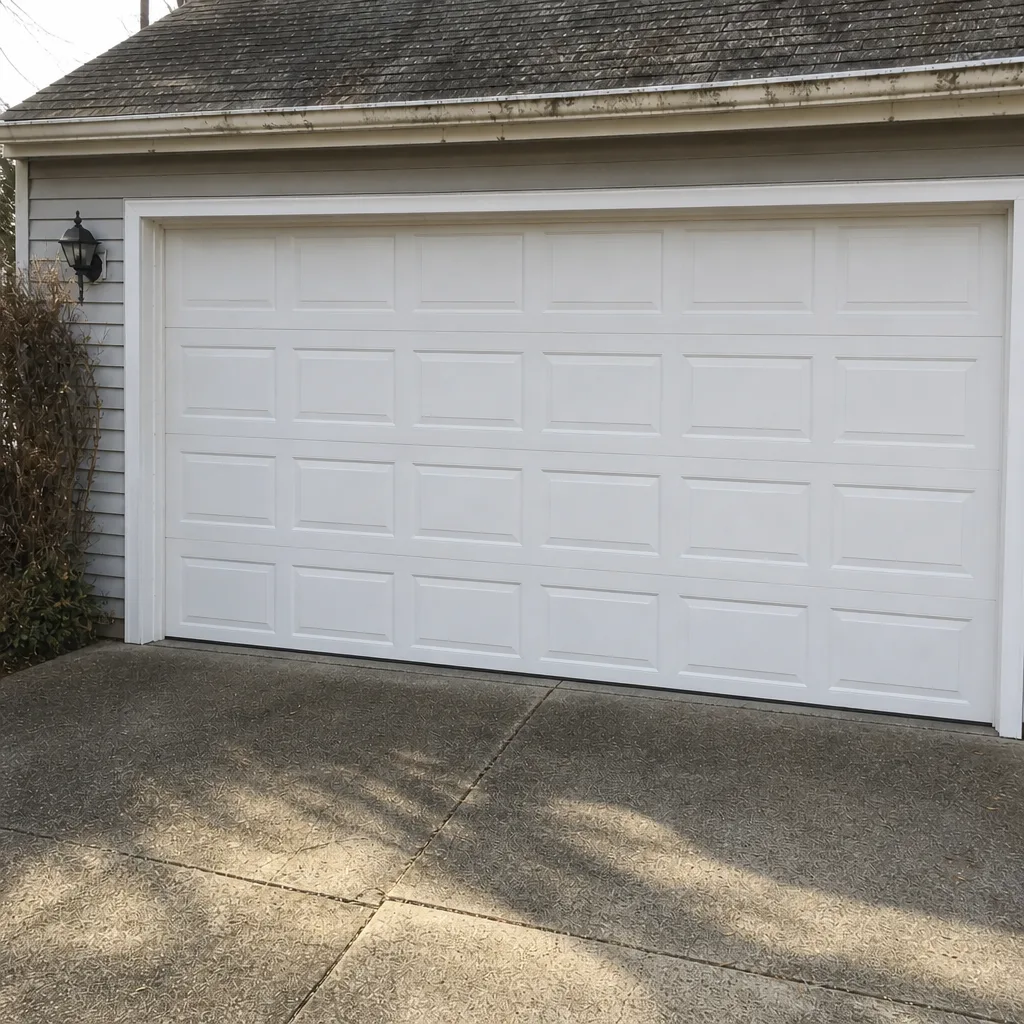
See the difference
 Before
 After
 Before
 After
 Before
 After
When to Call a Professional
Call a technician when a spring is broken, sagging, or making noise; when a cable is frayed or off its drum; when the door won’t close evenly or reverses without reason; when the opener won’t reverse on command; or when the door has suddenly become harder to lift by hand. Those are the jobs where the stored energy in a garage door makes a homeowner repair genuinely unsafe. Anything involving the torsion spring or the cables is a trained-tech job, and the same is true for a door that’s hanging crooked. For a full maintenance pass or a repair, Woodbridge Garage Door Repair Experts offers free estimates in Woodbridge. Call (833) 762-7918 and we’ll book a time.
Frequently Asked Questions
Once a month for hinges, roller stems, and spring coils. Woodbridge’s road-salt drift and temperature swings wear metal faster than a milder climate, so a monthly ten-minute pass is the right schedule here. It’s the cheapest maintenance a door gets.
The clearest sign is a door that’s noticeably heavier to lift by hand or that drops when you let go of it halfway. A door that’s louder, slower, or that makes the opener strain is also showing spring fatigue. If a spring has visibly snapped or the door is hanging unevenly, stop using it and call (833) 762-7918.
Yes, in most cases. A bottom seal is one of the few door parts a homeowner can replace with basic tools, as long as the door is fully open and secured and you’re only working on the rubber, not the springs or cables. If the seal’s retainer is damaged or the door won’t sit level, it’s worth a technician’s look.
It tells you whether the opener is pushing through resistance it shouldn’t. A door that reverses easily when you press it, and reverses on an object in its path, is working as designed. A door that keeps pushing against your hand or fails the object test has a force setting or motor problem that should be checked.
Cold thickens the lubricant, stiffens the seals, and reduces the tension in tired springs. In Woodbridge the drop between fall and January is enough to turn a marginal spring into a failing one. If the door struggles only in cold weather, the springs and the seal are the first things to check.
For the monthly checks and the annual review, a homeowner can do most of it. The spring balance test, the force-limit test, and the visual inspection are all safe to do carefully. The moment a check turns up a snapped spring, a frayed cable, or a door that’s out of balance, it’s a trained-technician job. Our technicians have up to 12 years of experience and cover repair, garage door opener repair, spring replacement, and new door installation across Woodbridge, so a maintenance call can turn into a fix without a handoff.
The Bottom Line
A garage door maintenance checklist for Woodbridge has to account for the two forces that wear a door down here: road-salt particulate on the lower hardware and the freeze-thaw cycle on the seals. Lubricate the hinges, stems, and springs monthly. Run the spring balance test and check the bottom seal every fall and spring. Test the opener force limit and the safety reverse once a year. Those few habits catch the failures that show up most in this area before they turn into spring replacements, cable repairs, or a motor that quit. When a check turns up something that isn’t maintenance, call Woodbridge Garage Door Repair Experts at (833) 762-7918 for a free estimate. One call, fully resolved.
Written by the team at Woodbridge Garage Door Repair Experts.