Last updated November 23, 2026
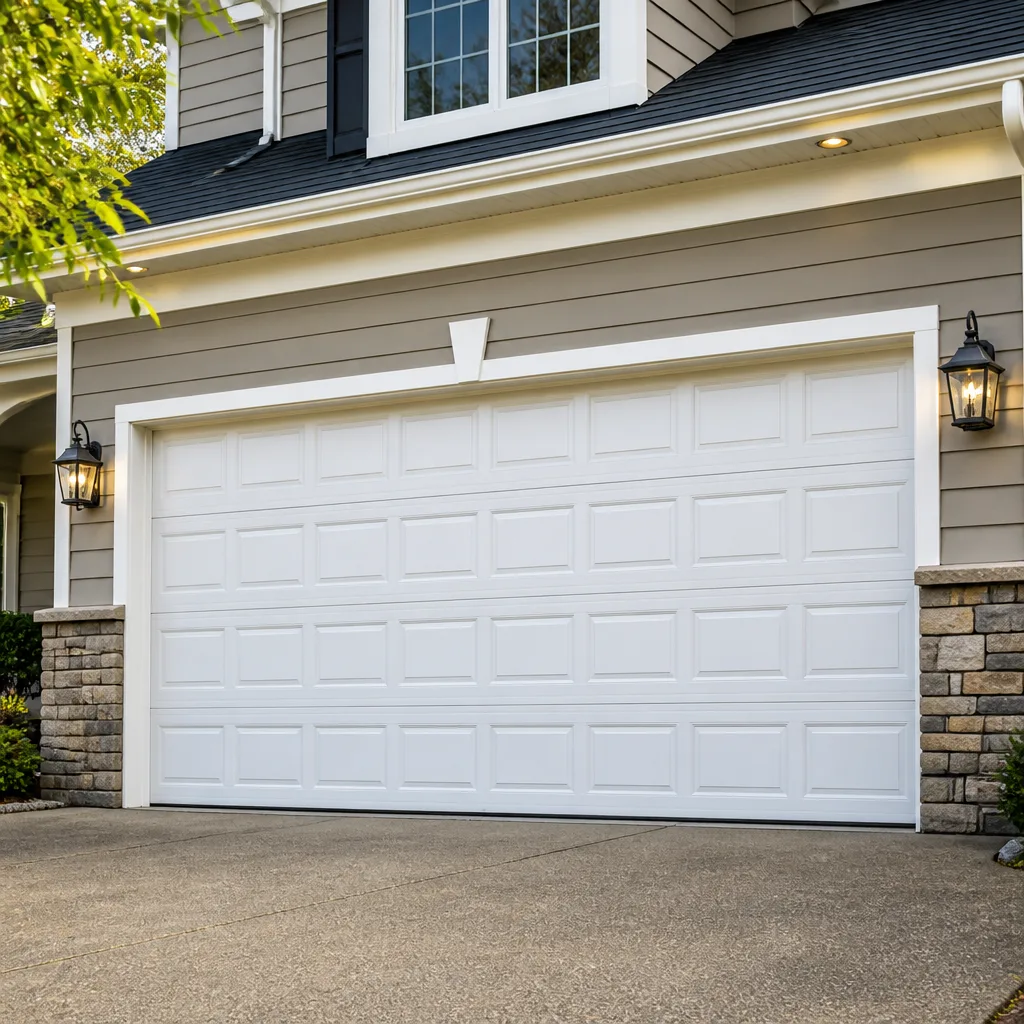 Raised-panel steel
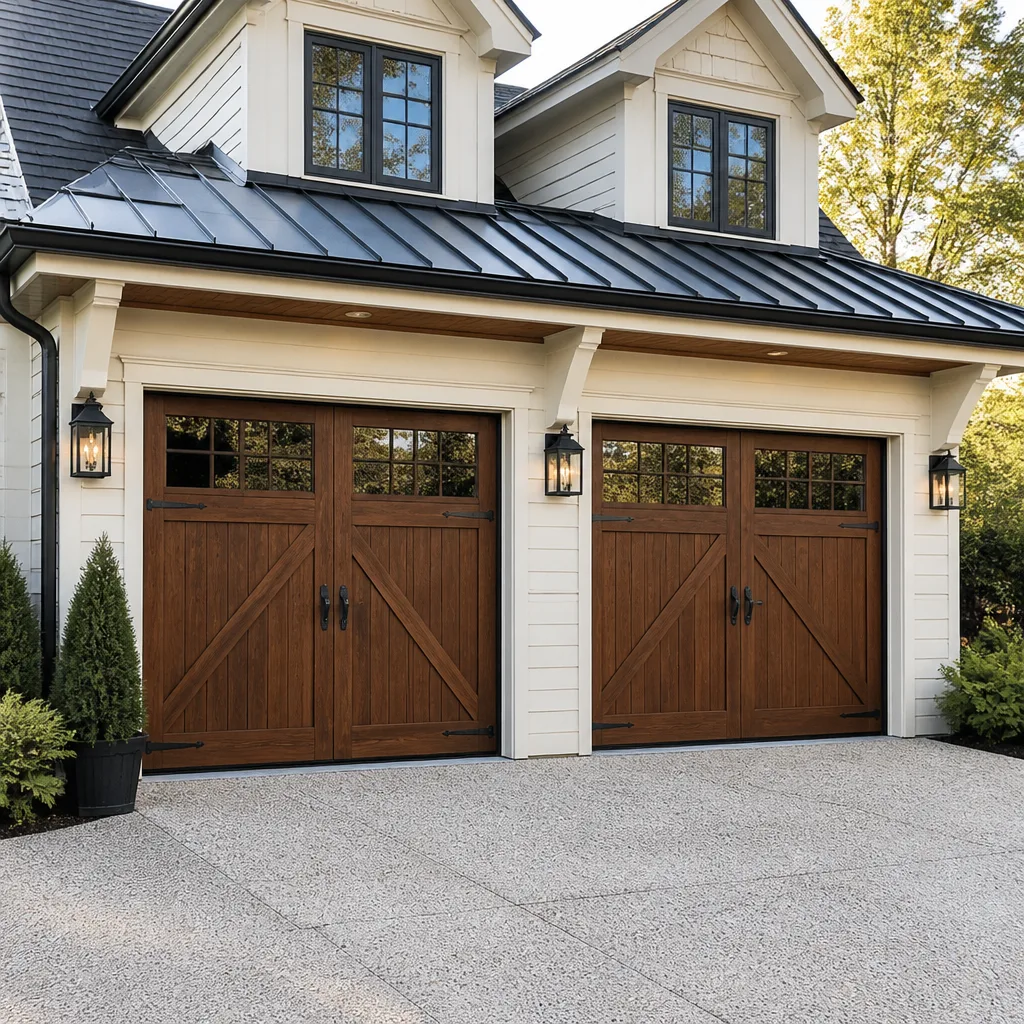 Carriage house
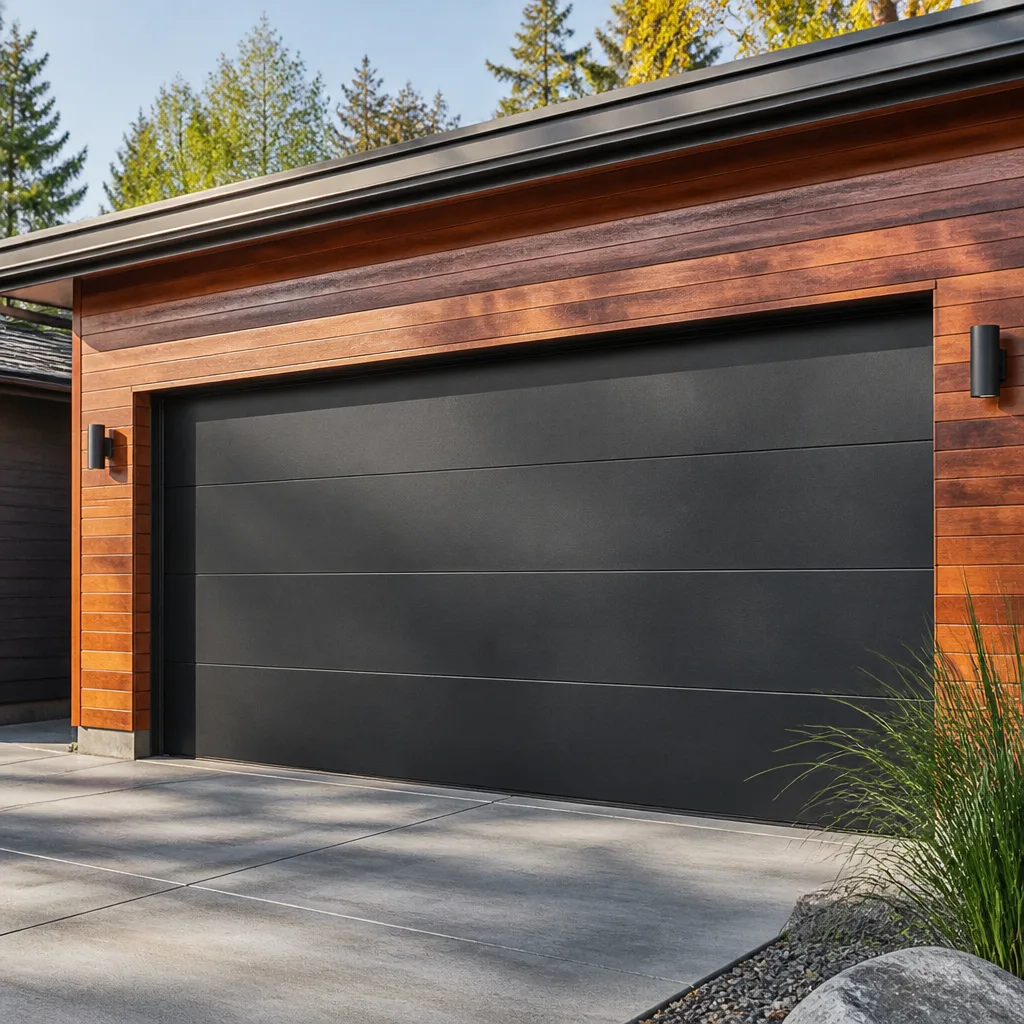 Modern flush
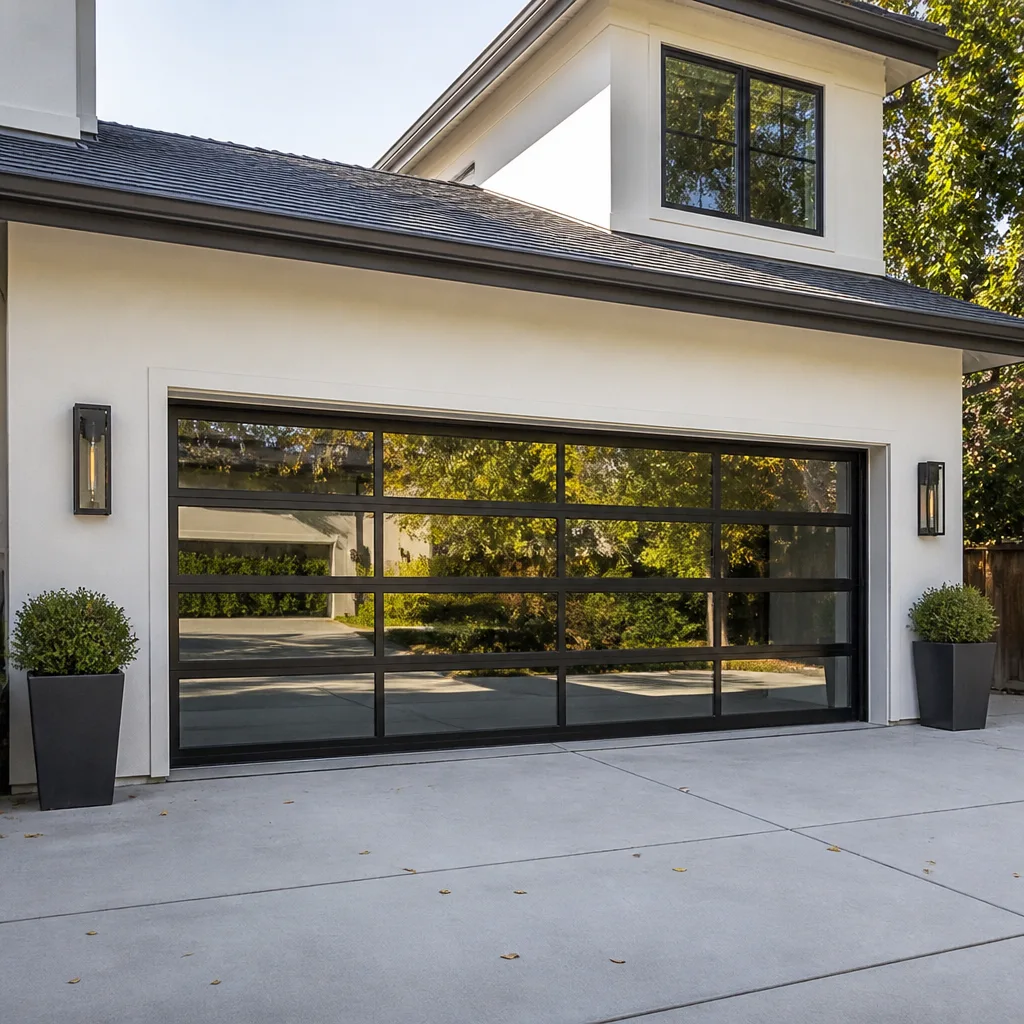 Full-view glass
 LiftMaster openers
 Chamberlain openers
Full 25-point door and opener safety check with every visit - springs, cables, rollers, tracks, and your LiftMaster or Chamberlain opener included
You get a price before we start. It does not change when the pro arrives.
Get your free estimateGarage Door Repair Troubleshooting in Woodbridge: Common Problems and How to Fix Them
A door that reverses before it closes is not automatically a sensor problem. In our experience, close to half of those calls are a force-limit setting or a binding track tripping the opener’s safety cutoff, and swapping the photo-eyes first leaves the real fault in place. That gap between symptom and cause is what makes garage door troubleshooting so frustrating for homeowners in Woodbridge. This guide teaches diagnostic logic rather than a symptom checklist. You’ll learn how a door’s mechanical chain actually works, how to separate opener-side faults from door-side faults, and which parts you can safely inspect yourself before calling a trained technician. We work on LiftMaster, Chamberlain, Genie, Clopay, Amarr, Wayne Dalton, Craftsman and Raynor equipment, so the logic here applies to whatever is hanging over your driveway.
Quick Answer
Garage door troubleshooting in Woodbridge starts by separating opener-side faults (logic board, force settings, photo-eye alignment) from door-side faults (springs, cables, rollers, hinges, tracks). Test the balance of the door by hand with the opener disengaged: a door that won’t stay roughly halfway up has a mechanical problem, not an opener problem. Anything involving springs, cables or drums is a trained-technician job.
Styles & brands we work with
- Raised-panel steel
- Carriage house
- Modern flush
- Full-view glass
- LiftMaster openers
- Chamberlain openers
Table of Contents
- The Mechanical Chain: Why One Failure Cascades
- Opener-Side vs. Door-Side Faults: How to Tell Them Apart
- How Woodbridge Humidity and Seasonal Swings Mimic Mechanical Failures
- A Safe Component-by-Component Inspection Sequence
- The Five Most Commonly Misdiagnosed Problems in Woodbridge
- Springs, Cables and Drums: The Parts You Must Not Touch
- Opener Problems: Force Limits, Photo-Eyes and Smart Controls
- What Garage Door Repair Costs in Woodbridge
The Mechanical Chain: Why One Failure Cascades
A sectional garage door is a system under tension, and every component in that system depends on the one before it. Spring tension lifts the door’s weight. Cable tension transmits that lift to the door through the drums. Drum alignment keeps the cable tracking in its groove. Track tolerance keeps the rollers moving in a straight, parallel path. When any link in that chain drifts, the failure shows up somewhere else, which is exactly why homeowners misread the problem.
Here’s how the cascade usually runs. A torsion spring loses tension as it ages, so the opener has to lift more weight than it’s rated for. The opener compensates by working harder, and the force-limit setting starts tripping on the way down. Meanwhile, the extra strain pulls one cable tighter than the other, the door rises slightly crooked, and a roller begins to bind against the track. Now the door reverses, the panel gaps, and the opener sounds like it’s straining. Three symptoms, one root cause: a tired spring.
This is the core diagnostic principle for any garage door in Woodbridge: read the failure backward along the chain. Don’t assume the part making noise is the part that failed. Ask which upstream component would load this one enough to cause what you’re seeing.
- Spring tension sets how much weight the opener has to move. Weak springs load everything downstream.
- Cable tension keeps the door level. Uneven cables mean a crooked door and binding rollers.
- Drum alignment keeps cable seated in its groove. A jumped cable can snap or score the drum.
- Track tolerance sets the path for every roller. Out-of-plumb tracks bind the door even when the opener is healthy.
When you understand the chain, a “sensor problem” becomes a question worth testing: is the photo-eye actually misaligned, or is the door binding on the way down and tripping the force cutoff? Those are different repairs with different costs, and guessing wrong is how a simple fix turns into a repeat visit. Our garage door repair service starts with that diagnostic step for exactly this reason.
Opener-Side vs. Door-Side Faults: How to Tell Them Apart
The single most useful test in garage door troubleshooting is the manual balance test. Pull the emergency release cord to disconnect the opener from the door, then lift the door by hand to about halfway and let go. A properly balanced door should stay roughly where you leave it. If it drops, sags or takes real effort to lift, you have a door-side fault: springs, cables or rollers. If it moves easily and stays put, your mechanicals are sound and the problem lives in the opener.
Run that test first, and you’ll save yourself a lot of guessing. Here’s how the two fault families compare.
- Opener-side symptoms: the motor runs but the door doesn’t move, the door reverses for no visible reason, the wall button works but the remote doesn’t, the lights flash in a pattern, or the door stops partway in both directions.
- Door-side symptoms: the door is hard to lift by hand, it hangs crooked, a cable looks slack or frayed, rollers squeal or wobble, or the door binds at one spot in its travel.
Decision criteria matter here. If the door is hard to move by hand, the opener is being asked to do work it wasn’t designed for, and repairing the opener alone won’t fix it. If the door moves freely by hand but the opener still reverses, the fault is almost always in the photo-eye alignment, the force-limit setting or the logic board. Our garage door opener repair covers the electronics side; the mechanical side is a separate job.
One more tell: listen. A healthy opener hums evenly and the door moves at a constant pace. A strained motor that changes pitch, or a door that jerks and pauses, points to resistance in the door’s travel, not to a failing motor. Genie and LiftMaster units both report overloads this way, and homeowners often replace a perfectly good opener when the actual problem was a dry roller or a bent track. Match the symptom to the correct side of the system before you spend anything.
How Woodbridge Humidity and Seasonal Swings Mimic Mechanical Failures
Woodbridge summers run humid, and that humidity does things to a garage that look exactly like mechanical breakdowns. Wood doors swell at the stiles and panels, which changes the door’s width by just enough to bind against the jambs. The opener reads that binding as resistance and reverses the door. Homeowners replace photo-eyes for a week straight while the real problem is a door that grew two millimeters in July.
Metal tracks behave differently. In a humid garage, warm moist air condenses on cool steel, and that film of moisture promotes surface corrosion inside the track. Rollers then drag rather than roll, and the door gets progressively noisier and slower through the summer. This is why so many Woodbridge doors that ran fine in April sound like a freight train by August. The fix often isn’t a new opener; it’s a track cleaning and proper roller lubrication.
Seasonal swings matter too. Doors installed in cooler weather can bind once the garage warms up, because steel and wood expand at different rates. If your door works fine in the morning and catches in the afternoon, temperature is the variable to watch. Clopay and Amarr wood-composite doors are especially sensitive to this, which is one reason we ask about the door’s material before we diagnose anything.
Practical takeaways for our climate:
- Test the door’s balance in both humid and dry weeks. If it only binds in humid weather, suspect swelling, not the opener.
- Wipe down the inside of the tracks and lubricate rollers with a proper garage door lubricant, not WD-40, which attracts dust.
- Check that your garage vents at all. A sealed, humid garage accelerates swelling and condensation.
- If a door binds only in summer, don’t force it with a higher force setting. That fixes the symptom and hides the real drag.
Woodbridge homes on slab foundations with attached garages tend to hold moisture longer than detached garages, so if your door lives under the same roof as your house, expect humidity to be a recurring troubleshooting factor. Diagnosing climate-driven drag correctly saves you from replacing hardware that isn’t broken.
A Safe Component-by-Component Inspection Sequence
Before you call anyone, you can safely inspect most of the door yourself, as long as you stop at the high-tension parts. Follow this sequence in order. Each step tells you what to look for and where to stop.
- Visual pass from the floor. Stand back and look at the closed door. Is it level? Are any panels out of line, or is a gap visible at one corner? A crooked closed door is a door-side fault, not an opener fault.
- Listen while it runs. Press the wall button and stand clear. Note squeals, grinding, thumps and jerks. Where in the travel do they happen? Timing locates the fault.
- Check the photo-eyes. The two small lenses near the floor should face each other, be clean, and have a steady (not flickering) indicator light. A misaligned eye is a common, cheap fix. Do this only while the door is stationary.
- Test the remotes and wall button. If the wall button works but remotes fail, the problem is a remote battery or the opener’s radio, not the door.
- Manual balance test. Pull the release cord, then lift the door by hand to halfway. If it stays, the mechanicals are healthy. If it drops or resists, stop here and call a technician. Do not adjust anything to compensate.
- Inspect rollers and hinges from the ground. Look for cracked nylon, flat spots, loose hinges or obvious wobble. Don’t put your hand near the tracks while the door is moving.
- Inspect the tracks. Look for dents, bends or gaps between track sections. Look at the gap between door and track. If the track is visibly out of plumb, that’s a technician job.
- Know your stop points. Do not touch torsion springs, extension springs, cables or drums. These are under extreme tension and can cause serious injury. A visual look from a safe distance is fine; hands-on work is not.
If you complete this sequence, you’ll know whether you’re looking at an opener problem, a door problem or a climate-driven drag. That knowledge turns a vague call into a precise one, and it means the technician arrives already pointed in the right direction. If you’d rather not run the sequence yourself, one call to a specialist is a reasonable alternative.
The Five Most Commonly Misdiagnosed Problems in Woodbridge
In our experience across Woodbridge, a handful of problems account for most wrong diagnoses. Each one looks like one thing and turns out to be another.
- “My sensors are bad.” Usually the photo-eyes are fine, and the door is binding or the force-limit setting is too low. Homeowners replace the eyes, the door reverses again, and the real drag was never found.
- “My opener is dying.” Often it’s a lazy spring. The motor is working harder than it should because the spring stopped carrying its share of the weight. Replacing the opener without the spring just wears out the new one faster.
- “My door is crooked because the track is bent.” Sometimes true. But a door that rises crooked usually has uneven cable tension, and the track is fine. Straightening the track doesn’t fix a stretched cable.
- “My door sticks in summer, so the door is warped.” Usually it’s humidity swelling a wood door or condensation dragging rollers. The door isn’t warped; the environment changed.
- “The remote stopped working, so the opener needs replacing.” Failing remotes are usually batteries or dead radio frequencies. A wall-panel test settles it in seconds. Smart-opener owners on myQ or Aladdin Connect sometimes face a Wi-Fi or app pairing issue, not a hardware failure.
Notice the pattern: each misdiagnosis fixes the loudest symptom and leaves the cause. Whenever a repair doesn’t hold, the chain wasn’t diagnosed correctly the first time. That’s why we treat any garage door repair in Woodbridge as a full-system check rather than a part swap. Finding the cause is the whole job.
If you’ve already replaced a part and the problem came back, that’s a diagnostic failure, not bad luck. Look one link upstream of the part that failed and you’ll usually find the culprit.
Springs, Cables and Drums: The Parts You Must Not Touch
Torsion and extension springs hold the entire weight of the door, and they hold it under extreme tension. Adjusting or replacing them yourself is genuinely dangerous and has caused serious injuries to homeowners who tried. A wound torsion spring can store enough force to break bones or worse. We treat garage door spring repair as a core service because it demands the right tools, the right winding bars and a trained hand, not a ladder and a YouTube video.
What you can safely watch for:
- A visible gap in a torsion spring, or a spring that looks stretched or misaligned, is a sign of failure.
- A cable that is slack, kinked, frayed or off its drum groove means the system is compromised.
- A door that slams down instead of lowering under control is a sign the spring has failed or the cables are unbalanced.
- Loud bangs from the garage that nobody caused usually mean a spring gave way.
Any of these warrants a call before you move the door again. Forcing a door with a failed spring can snap a cable, bend a drum or bring the door down unevenly. Our technicians have up to 12 years of experience with this exact class of work, and it’s the reason spring failure is a service we handle directly rather than a handoff.
When a spring does fail, expect the spring, cable and drum inspection to happen together. A spring replacement isn’t complete until the cables are checked, the drums are aligned and the door’s balance is confirmed. Skipping that is how a fresh spring fails within a year. A written estimate should lay out exactly which components are being replaced and why.
Opener Problems: Force Limits, Photo-Eyes and Smart Controls
Most opener faults you can see coming. The two dominant families of opener in Woodbridge homes are the LiftMaster and Chamberlain ecosystem built around myQ, and Genie units with Aladdin Connect. Both handle force limits and safety reversals similarly, and both are prone to the same handful of issues.
Here’s the order we troubleshoot opener faults in:
- Check the photo-eyes first. Clean both lenses and confirm the indicator lights are steady. A single leaf or a bumped bracket is the most common culprit.
- Check the force setting. If the door meets real resistance, the opener’s safety cutoff trips. On myQ and Aladdin Connect units, the setting is adjustable but shouldn’t be raised to mask a binding door.
- Check the travel limits. A door that stops too early or reverses partway often has travel settings that drifted. Reset them per the opener’s manual.
- Check the logic board. Erratic lights, a motor that clicks without moving, or a wall panel that’s dead usually points to the board.
- Check the radio and app. A remote that fails only from a distance is usually a battery or radio fault. A myQ or Aladdin Connect app that won’t connect is usually Wi-Fi or an account pairing issue.
If your opener is more than a decade old, weigh repair against replacement honestly. A logic board on an old unit may cost more than the unit is worth, but a photo-eye alignment is cheap on any unit. We repair openers on the brands above, legacy and connected, and we’ll tell you which path makes sense. If you’re ready to book, that’s a single call for diagnosis and repair, not a referral.
Whatever the outcome, the price is quoted and agreed before any work starts. That includes replacing an opener, which is measured and scheduled rather than walked in the same day.
What Garage Door Repair Costs in Woodbridge
Garage door repair costs in the Woodbridge area depend on which link in the chain failed, not on the symptom you noticed first. Here are typical ranges we see for common repairs. These are estimates, and the written quote for your job sets the final price.
- Spring replacement, one spring: typically $180 to $340. A matched pair is usually replaced as a set, so expect roughly double for both.
- Cable replacement: typically $110 to $200 per cable, depending on whether drum work is needed.
- Roller and hinge replacement: typically $90 to $190, higher if most rollers are changed.
- Photo-eye alignment or sensor repair: typically $70 to $130 as a standalone visit.
- Logic board or opener repair: typically $180 to $400, depending on the unit.
- Track straightening or realignment: typically $100 to $220.
Where homeowners get surprised is when two repairs are needed and only one was quoted. A failed spring on a door with fraying cables is two jobs, and a good technician will flag both before starting. Ask for the estimate in writing and confirm exactly which parts are covered. That’s how you avoid an invoice that doesn’t match the call.
Common Mistakes to Avoid
- Replacing photo-eyes before testing the balance. If the door is binding, no sensor on Earth will fix it. Do the manual balance test first.
- Raising the force-limit setting to stop reversals. This masks the problem and can lead to a door closing on an obstacle, which defeats the opener’s safety feature. Find the drag instead.
- Lubricating tracks with the wrong product. WD-40 and general-purpose oils attract dust and gum up the track; garage door lubricant is what the rollers and hinges actually need.
- Fixing a symptom in summer that never appears in winter. Woodbridge humidity causes swelling that looks like a mechanical failure. If it only happens in humid months, suspect the climate before the hardware.
- Adjusting or replacing springs yourself. This is the single most dangerous mistake a homeowner can make with a garage door. High-tension springs require training and the right tools.
- Assuming a new opener fixes everything. If the door is heavy, a new opener inherits the same overload and fails sooner. Repair the mechanical cause first.
- Ignoring a crooked door. A door that lifts unevenly is loading one cable and one track harder than the other. Left alone, it cascades into roller and drum wear.
See the difference
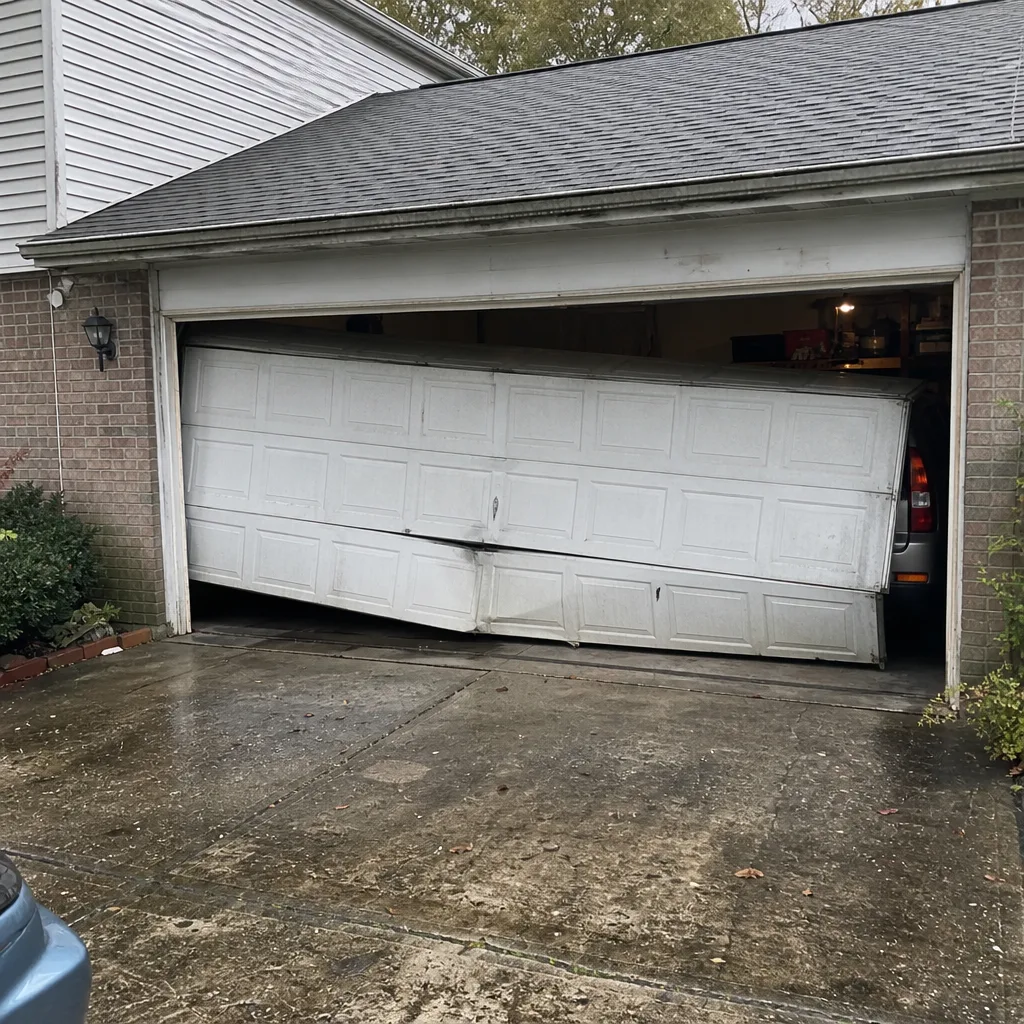 Before
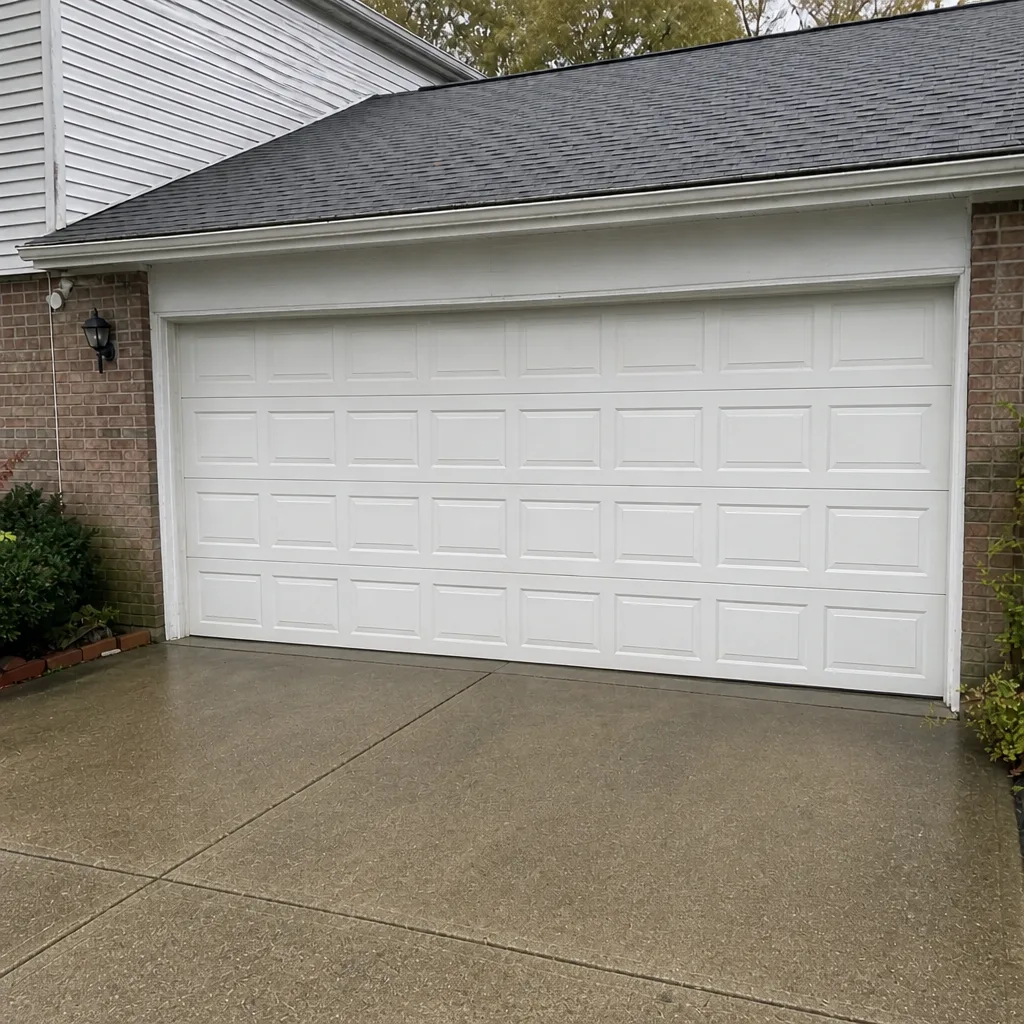 After
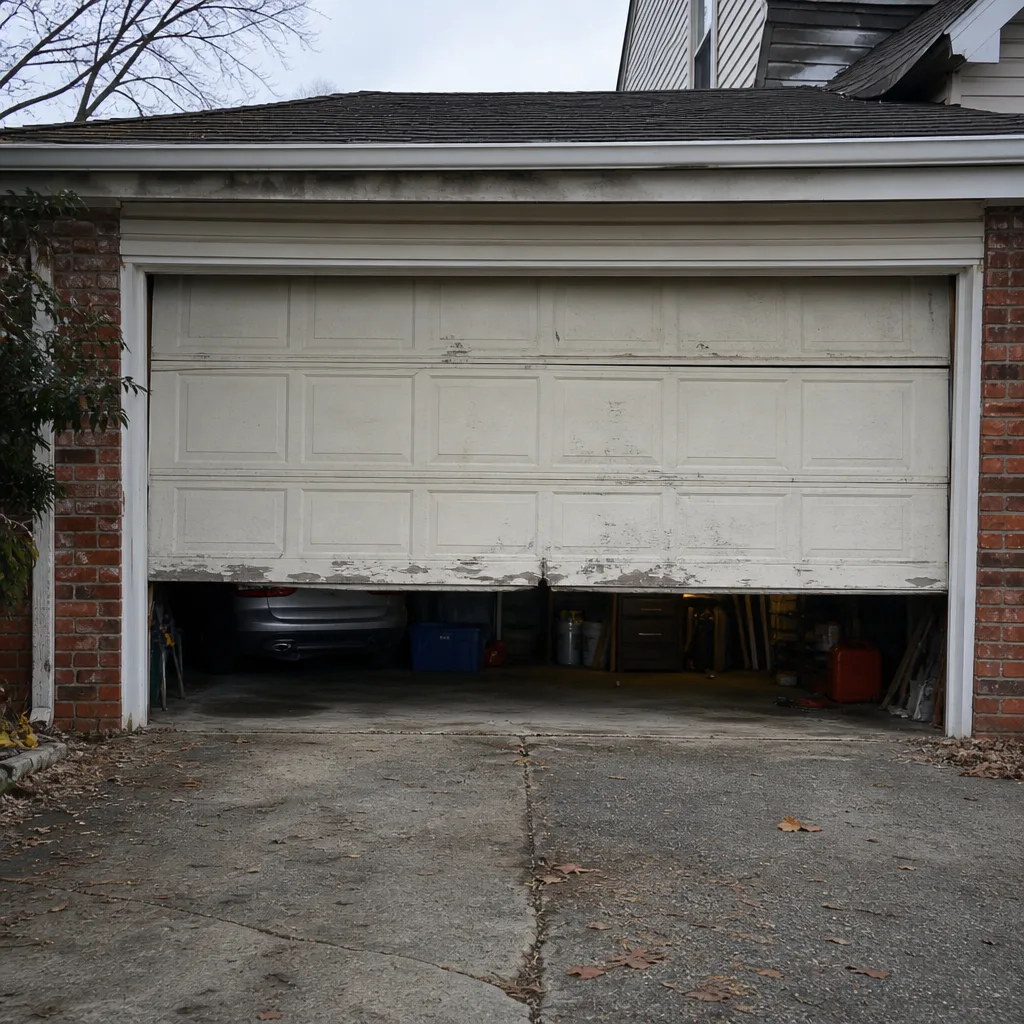 Before
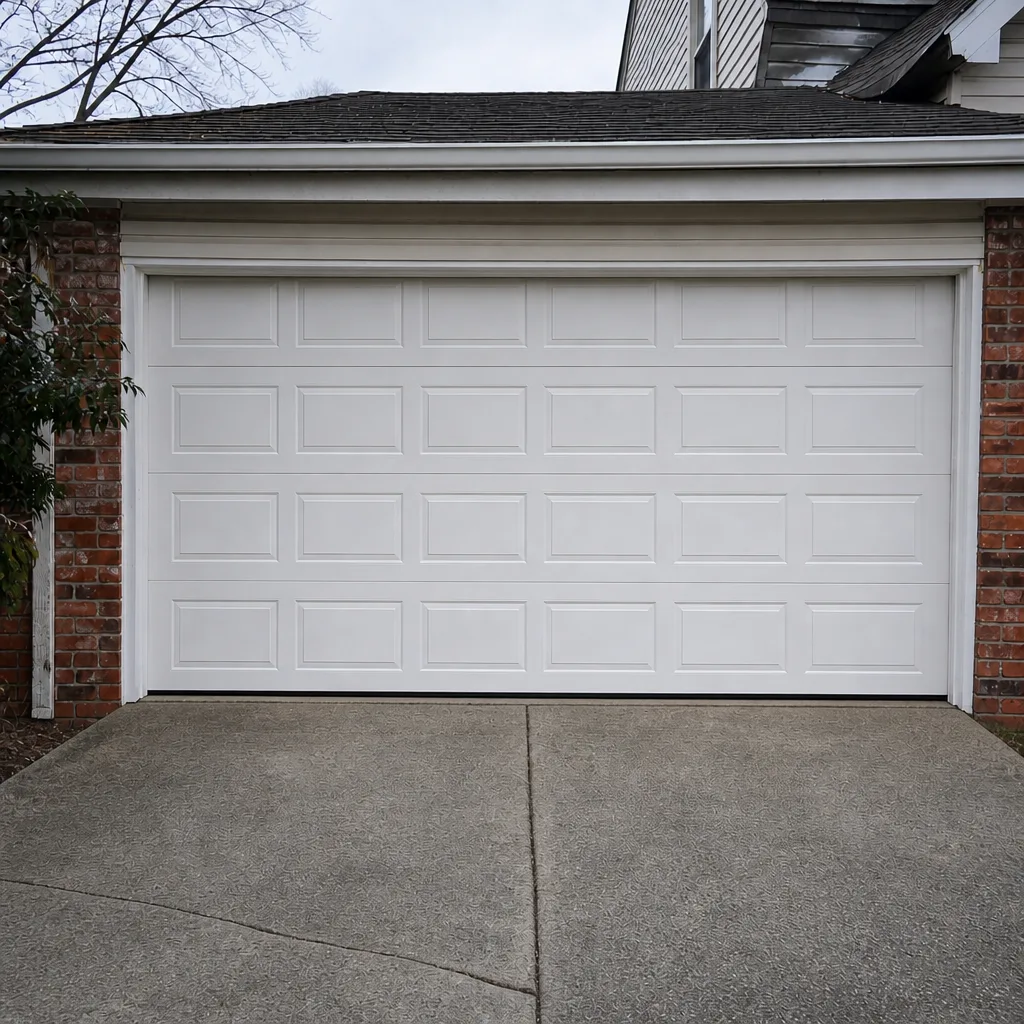 After
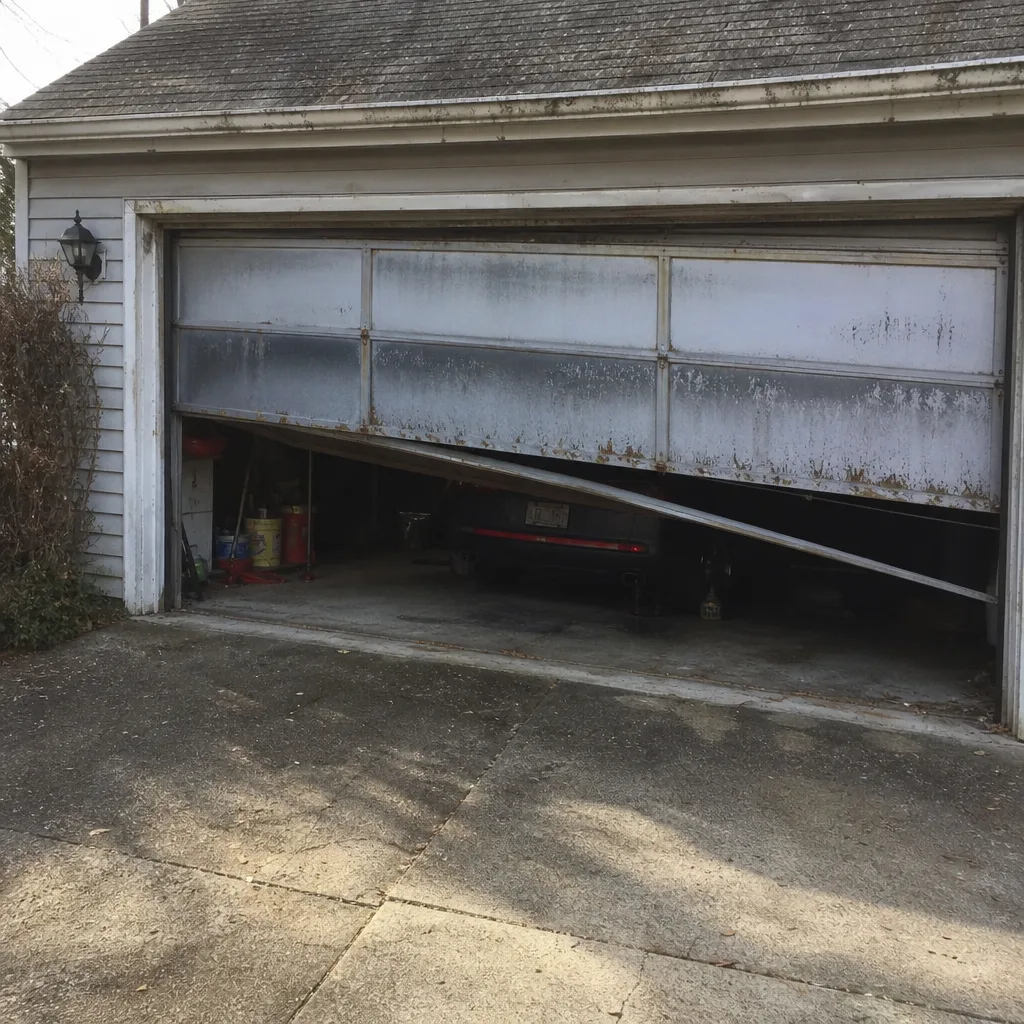 Before
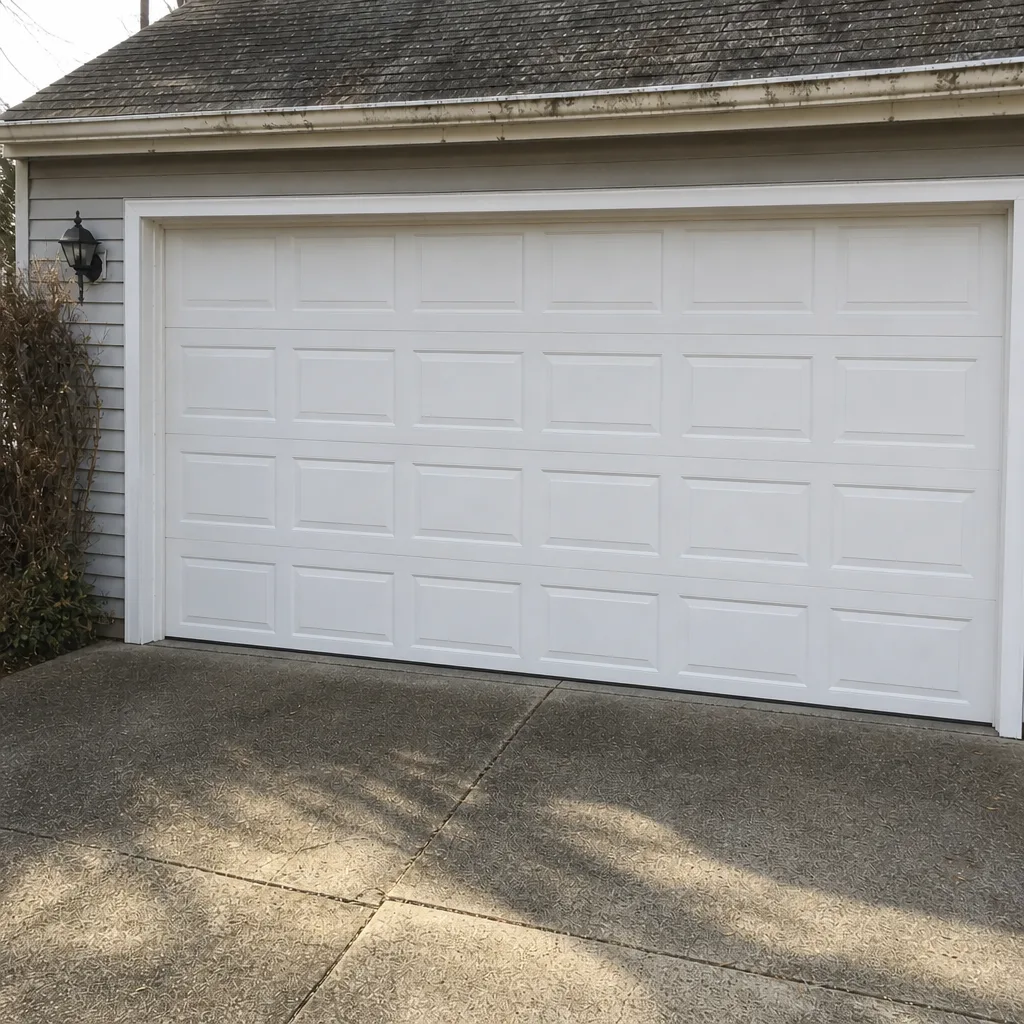 After
When to Call a Professional
Call a trained technician when the manual balance test fails, when a cable is visibly slack or frayed, when a spring has snapped, or when the door is crooked. Call immediately if the door won’t close or has dropped off one track, since that’s a security and safety problem. Don’t attempt spring, cable or drum work yourself; the stored energy in those parts is dangerous even when the door looks harmless. Anything that involves high-tension components or a door that has come off its track is a professional job, not a weekend project.
Woodbridge Garage Door Repair Experts offers free estimates in Woodbridge. Call (833) 762-7918 and we’ll diagnose the cause, quote the repair before any work starts, and turn the visit into a finished job rather than a referral. For a door that needs same-day attention or an emergency response, call and we’ll get you on the schedule. The local pro is licensed and insured as their state requires, and our technicians have up to 12 years of experience with every door and opener on the market.
Frequently Asked Questions
Most of the time it’s the opener’s force-limit setting or a binding track tripping the safety cutoff, not a bad sensor. Test the door’s balance by hand with the opener disengaged; if it’s hard to move, the door is the problem. Call (833) 762-7918 for a free estimate if the test fails or the reversal continues.
Typical repairs in Woodbridge run from about $70 for an alignment fix up to $400 for logic board work, with spring replacement at roughly $180 to $340 per spring. A matched pair is usually replaced together, so expect about double. The written estimate sets the final price before any work starts. Call (833) 762-7918 for an exact quote, free estimates are available.
For repair and emergency work, same-day service is often available. Installation, replacement and new-door work is measured and scheduled rather than same-day. Call (833) 762-7918 and we’ll tell you the earliest available time and quote the job before we start.
No, the price we quote is the price you pay for the agreed work. If a technician finds an additional problem, you’ll be told what it is and what it costs before anything is started. You approve the final total. Call (833) 762-7918 to book an estimate.
The local professional we connect you with is licensed and insured as their state requires. They’re trained on the eight major door and opener brands, and spring work is handled as a core service by technicians with up to 12 years of experience. Call (833) 762-7918 to discuss your door.
Not necessarily. A door that won’t close is often a photo-eye, force-limit or track issue, and an opener replacement inherits the same problem if the door itself is binding. Diagnose the cause first. Call (833) 762-7918 for a free estimate and a straight answer.
The Bottom Line
Garage door problems are almost always symptoms of something upstream. Springs load cables, cables load drums, drums load tracks, and the opener reports whatever resistance it meets. Test the balance before you test the electronics, respect Woodbridge’s humidity swings, and never put your hands on a spring. If you take one thing from this guide, make it the manual balance test: it tells you immediately whether you’re dealing with an opener fault or a door fault. When the test fails, or when the spring has gone, one call resolves it. Woodbridge Garage Door Repair Experts handles repair, opener repair, spring replacement and emergency service across all eight major brands, with a written quote before any work starts.
When you’re ready to stop troubleshooting and get the door fixed, call (833) 762-7918 for a free estimate. We’ll diagnose the cause, tell you what the repair involves, and give you a written price before anyone touches the door. Our team covers the full lifecycle for a door or opener: Woodbridge Garage Door Repair Experts is the place to start.
Written by the team at Woodbridge Garage Door Repair Experts.