Last updated November 23, 2026
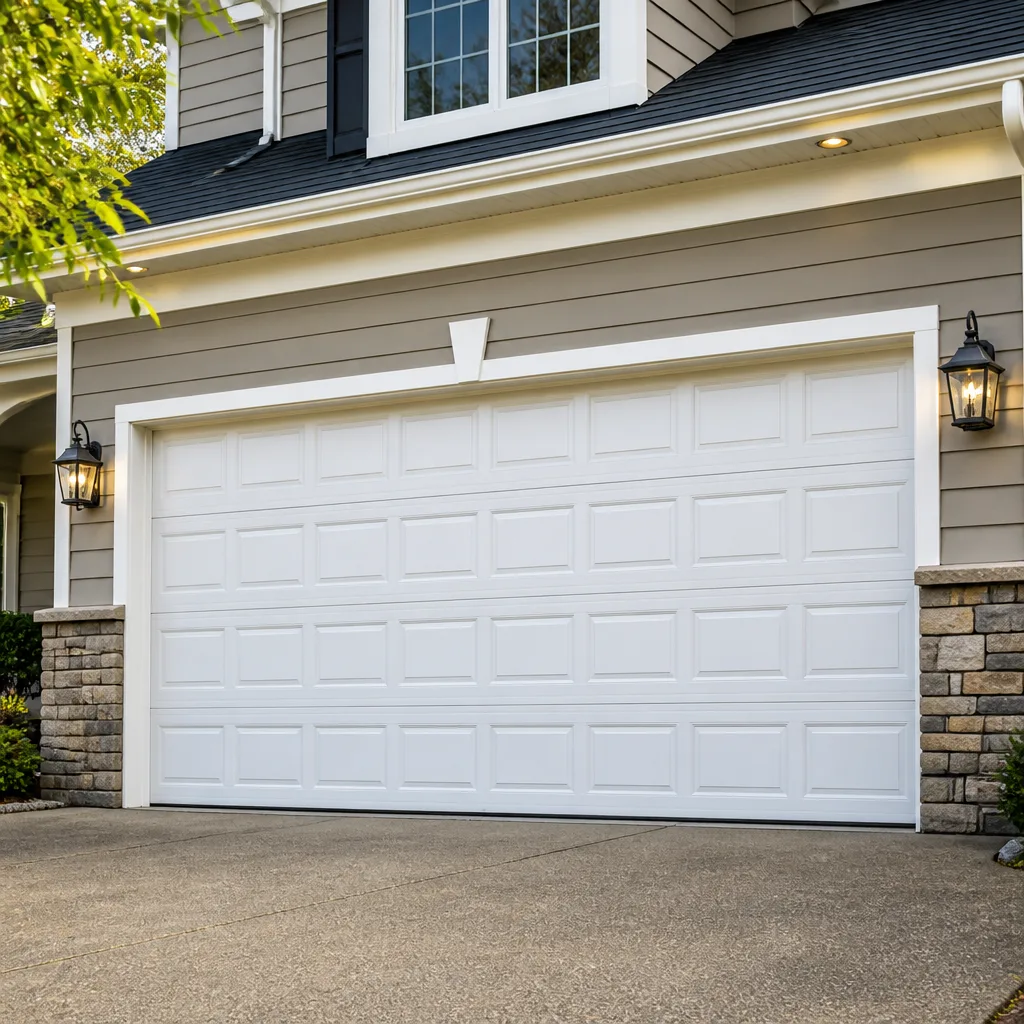 Raised-panel steel
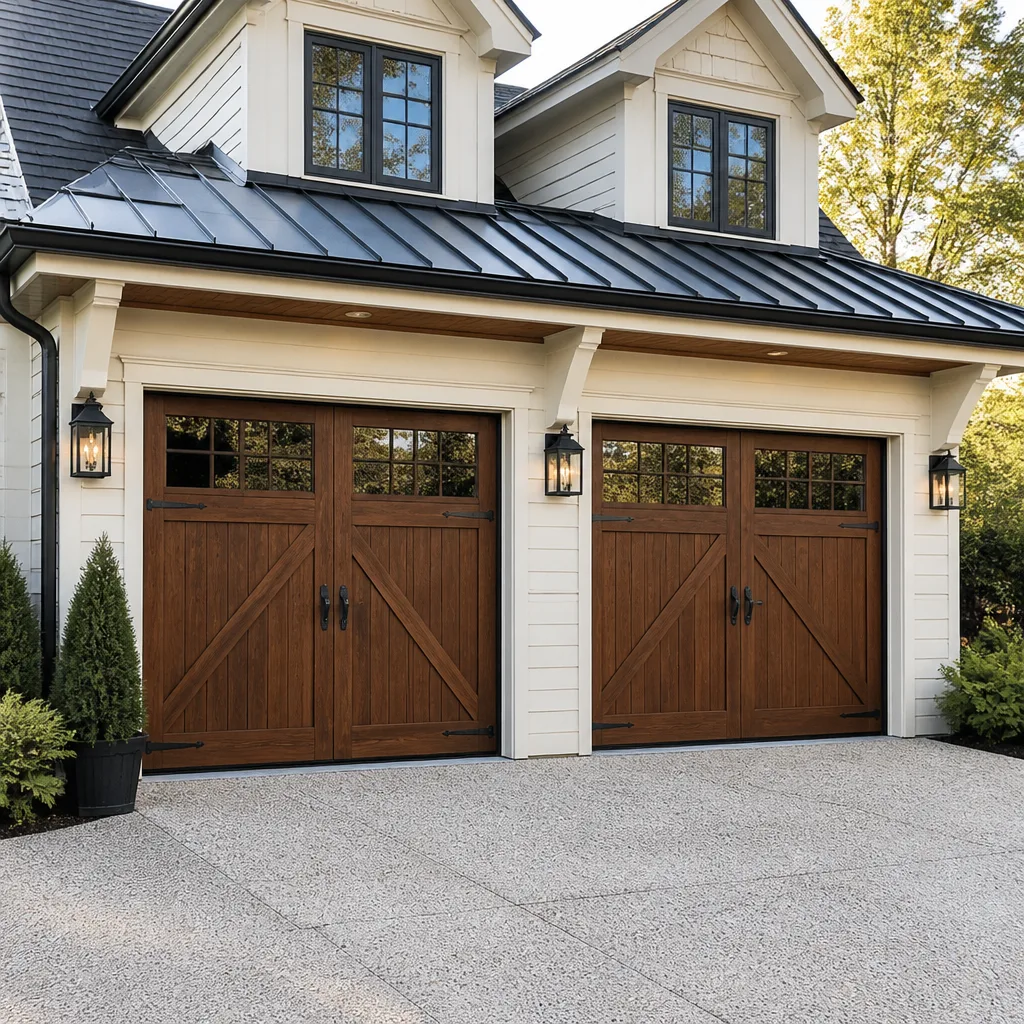 Carriage house
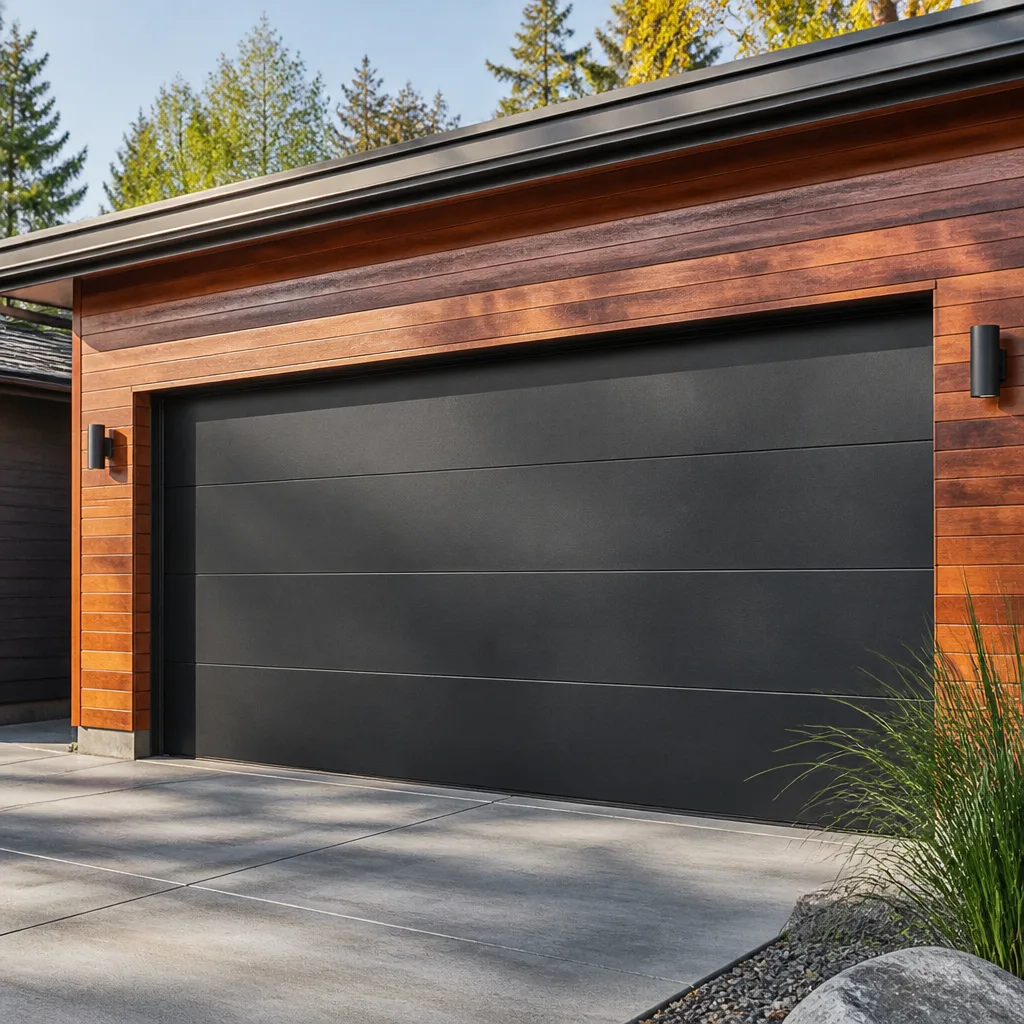 Modern flush
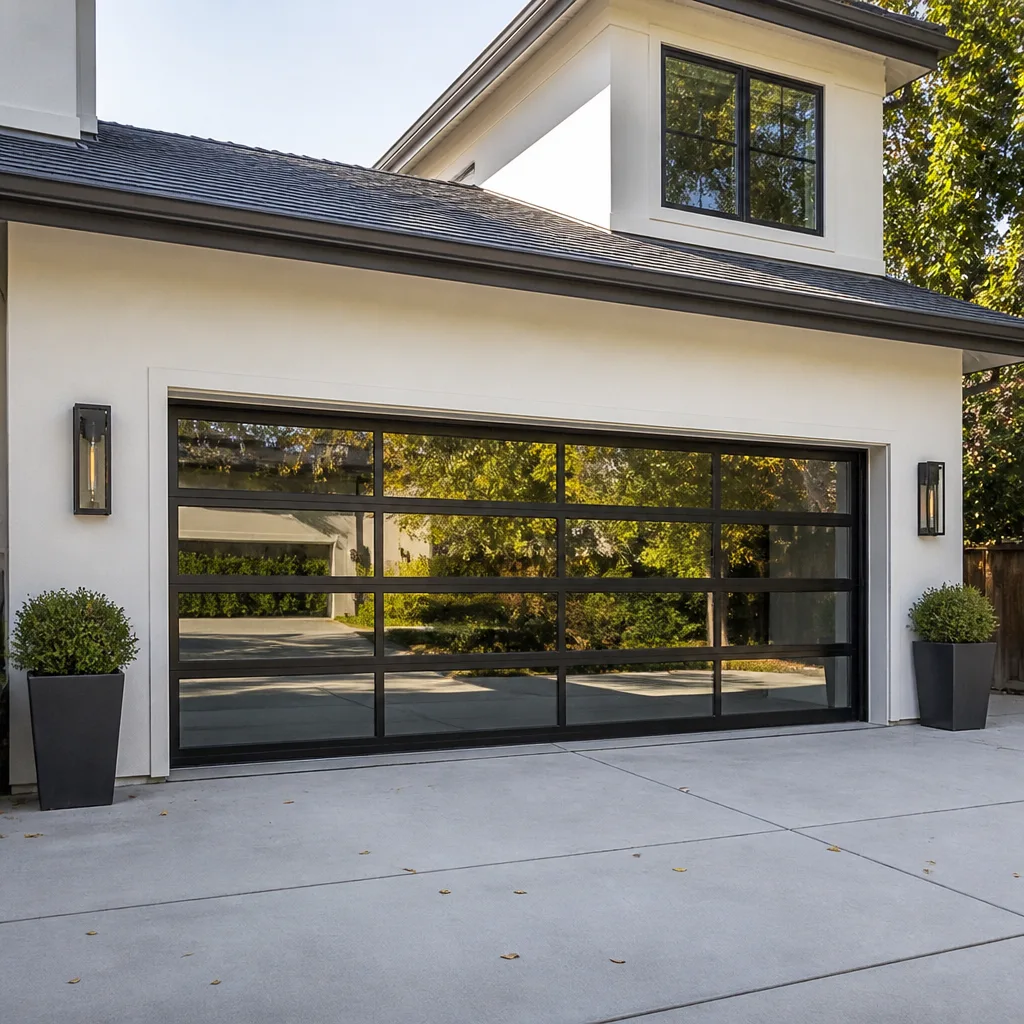 Full-view glass
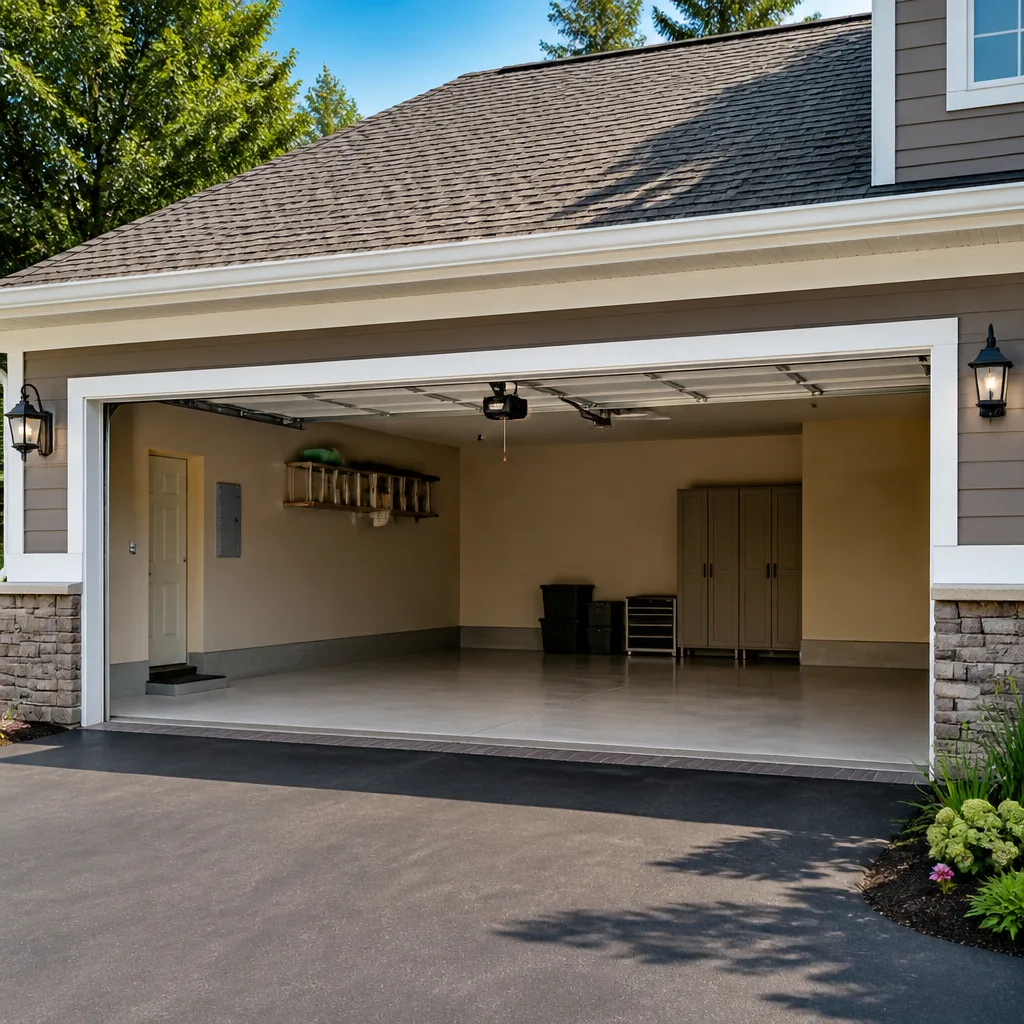 LiftMaster openers
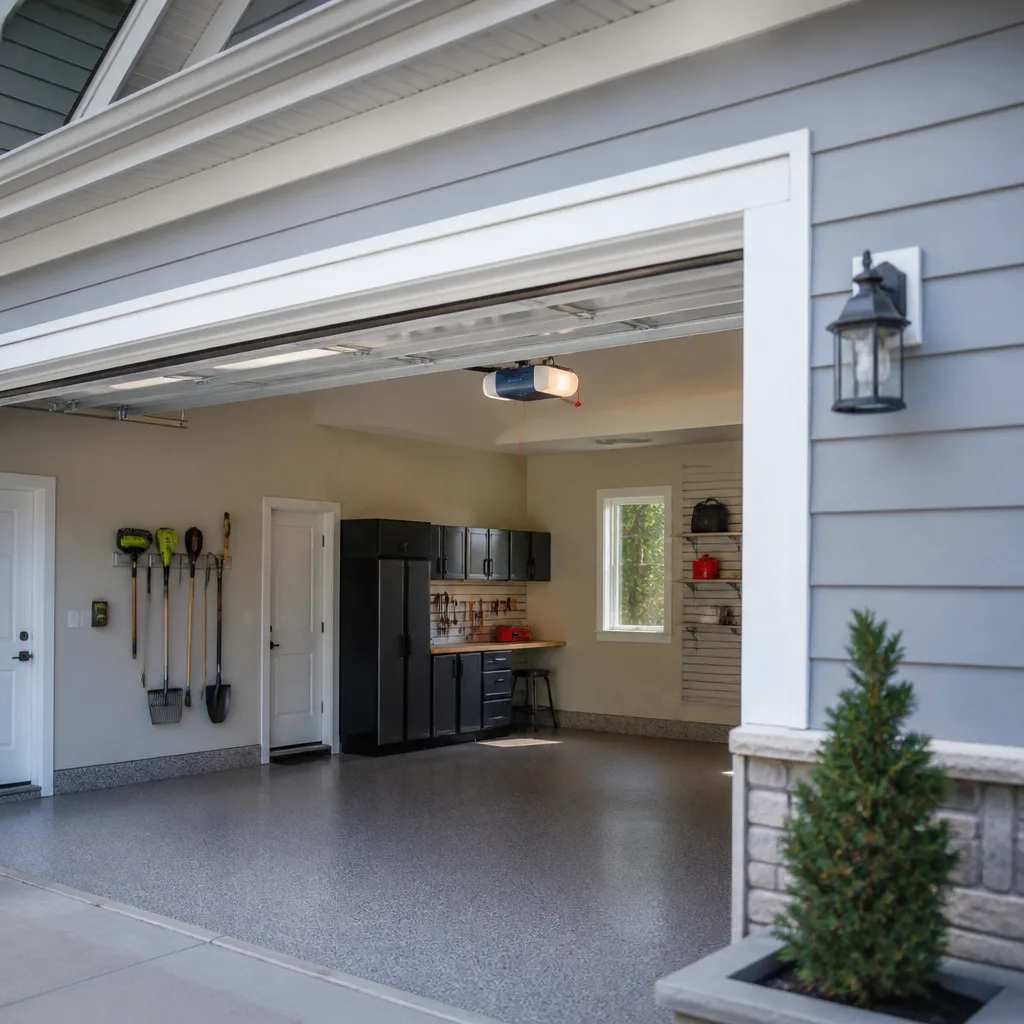 Chamberlain openers
Full 25-point door and opener safety check with every visit - springs, cables, rollers, tracks, and your LiftMaster or Chamberlain opener included
You get a price before we start. It does not change when the pro arrives.
Get your free estimateGarage Door Permits, Codes & Inspections in Woodbridge, VA: What You Need to Know
Here’s the part most Woodbridge homeowners never hear until it bites them: a garage door replacement can be a permitted, inspected construction project under Prince William County’s building code. Not always. Often not. But sometimes, and the “sometimes” is exactly where people get into trouble. A like-for-like swap of a ruined door is usually paperwork-free, while a project that changes the opening, the structure around it, or adds an opener circuit can pull you into the county’s permit and inspection process. This guide maps that line clearly for Woodbridge, explains how Virginia’s statewide building code and county enforcement actually work together, and walks through the inspection and retroactive-permit realities you’ll face if a past owner skipped a step. We’re a specialty garage door company, so this is the corner of construction rules we deal with on every job.
Quick Answer
In Woodbridge, a like-for-like garage door replacement with no structural or electrical changes is typically exempt from a Prince William County building permit, but any project that alters the opening, adds or relocates an opener circuit, or changes a fire-rated door on an attached garage can require one. The county enforces the Virginia Uniform Statewide Building Code, and that’s the authority that inspects the work. HOA architectural approval is a separate step and never substitutes for a permit. When you sell a Woodbridge home, an unpermitted garage door improvement can surface in the pre-sale inspection and delay or complicate the closing.
Styles & brands we work with
- Raised-panel steel
- Carriage house
- Modern flush
- Full-view glass
- LiftMaster openers
- Chamberlain openers
Table of Contents
- Why a Garage Door Permit Question Matters in Woodbridge
- When Does a Garage Door Replacement Need a Permit in Prince William County?
- How Virginia’s Uniform Statewide Building Code Meets County Enforcement
- HOA Approval vs. Building Permit: The Correct Sequence
- What a Garage Door Inspection Actually Covers
- The Retroactive Permit Process for an Unpermitted Door
- How Woodbridge’s Climate and Housing Shape the Job
- Common Mistakes to Avoid
- When to Call a Professional
Why a Garage Door Permit Question Matters in Woodbridge
A garage door looks like a simple moving part bolted to a frame. Legally, it can be more than that. When a door change touches the structure of the opening, the header, the electrical circuit that feeds the opener, or the fire separation between an attached garage and the rooms above or beside it, the county treats it as construction work with a paper trail. And in Woodbridge, where much of the housing stock sits in planned communities with active HOAs, the paper trail runs on two tracks that people routinely confuse.
The reason this matters most at resale is straightforward. When a buyer’s inspector walks into a Woodbridge garage and sees a door that doesn’t match the original construction, or an opener wired in a way that looks improvised, they flag it. That flag doesn’t automatically kill a deal, but it does start a conversation: was this permitted, and can you prove it? If the answer is no and the work actually required a permit, you’re now pursuing a retroactive permit while a closing date ticks down. That’s a stressful, expensive place to be, and it’s entirely avoidable.
So the honest framing is this: most Woodbridge garage door work is routine and permit-free. But “most” isn’t “all,” and knowing which side of the line your project sits on is the whole point of this guide. We’ve handled enough doors in Prince William County to know the questions to ask before anyone touches a track.
When Does a Garage Door Replacement Need a Permit in Prince William County?
Prince William County’s building department works from the premise that a true replacement of a door in the same opening, same size, same general configuration, is a maintenance activity rather than a new construction element. That’s the exemption most homeowners fall under. The moment the scope of the project changes what the building actually is, the exemption usually stops applying.
Here’s how we think about the threshold. Same-size door in the same opening, no new wiring, no framing changes: typically exempt. Anything that changes the opening, adds load, adds or relocates an electrical circuit for a new opener, or touches a fire-rated assembly: usually a permit question. The county’s building department is the final word on your specific project, so a quick call before you order a door is always the safe move.
Projects that commonly trigger a permit review in Woodbridge:
- Enlarging or reducing the rough opening to fit a different door size
- Changing the door from a single to a double, or reconfiguring a two-car opening
- Adding a new opener circuit, or relocating an existing outlet or dedicated circuit for an opener
- Replacing a garage door on an attached garage where the door serves as part of the fire separation to living space
- Any change to the header, jamb, or framing that supports the door track and spring system
- Adding a high-lift or low-clearance track configuration that changes how the door travels relative to the ceiling structure
Projects that are typically routine and permit-free:
- Replacing a damaged door panel of the same size and style in the same opening
- Like-for-like replacement with a Clopay or Amarr door that matches the existing dimensions
- Spring replacement, cable replacement, roller and hinge swaps
- Repairing an existing opener or replacing it with one wired to the same circuit
If you’re unsure which bucket your project falls into, the answer is a phone call to the county building department. Bring them the door size, the opening dimensions, and a description of any electrical work. Their guidance beats guesswork every time.
How Virginia’s Uniform Statewide Building Code Meets County Enforcement
Virginia runs a single statewide building code, the Virginia Uniform Statewide Building Code, and every locality enforces it. That matters for Woodbridge because it means the rules you’re dealing with aren’t a patchwork of town-by-town quirks. The code itself is set at the state level. What varies is how Prince William County administers permits, inspections, and enforcement in your neighborhood.
The practical split looks like this:
- Authority setting the code: the Commonwealth of Virginia, which adopts the USBC and updates it on a published cycle
- Authority issuing permits and conducting inspections: Prince William County’s building department
- Authority managing architectural standards: your HOA, if your Woodbridge neighborhood has one
What that means for you: when a permit is required, the county inspector is the person who signs off on the work. They will look at the same construction standards across the state, applied to the specifics of your house. They aren’t reviewing your door’s color, style, or whether it matches the neighbors. That’s the HOA’s job, and it’s a completely separate review.
One consequence worth knowing: because the code is statewide, a permit pulled in Woodbridge follows the same technical requirements as one pulled anywhere else in Virginia. The forms and fee schedule differ by county, but the standards the inspector checks are consistent. That’s actually good news for homeowners navigating this, because it means there’s no mystery about what the inspector is looking for, only about whether the project needs a permit in the first place.
For repair and maintenance work that doesn’t trigger a permit, the code still governs how the work should be done safely. That’s why our approach to garage door repair always starts with what the door, its balance, and its safety systems demand, not with what’s quickest.
HOA Approval vs. Building Permit: The Correct Sequence
These are two completely different reviews, and getting one does not satisfy the other. A building permit is a safety and construction review by Prince William County. An HOA architectural approval is a community standards review by your neighborhood association. Woodbridge has plenty of HOAs, and many of them have specific rules about door style, color, window patterns, and even panel layout. You need both when both apply, and you need them in the right order.
The sequence that actually works:
- Check your HOA’s architectural guidelines first. Before you pick a door, confirm what styles, colors, and materials are allowed in your Woodbridge community. Doing this first prevents ordering a door the association won’t approve.
- Submit your HOA architectural request with the spec sheet. Most associations want the manufacturer’s specification, a photo or rendering of the door, and sometimes the color code. A Clopay or Wayne Dalton spec sheet covers this.
- Confirm whether the project needs a Prince William County building permit. If it changes the opening, electrical, or fire-rated assembly, call the county building department and start that process in parallel.
- Get the HOA approval in writing. Keep the approval letter on file. It’s useful at resale.
- Pull the building permit if required, then schedule the installation. The permit needs to be in place before work begins on a permitted project, not after.
- Schedule and pass the inspection. The county inspector reviews the work, and you receive the signed-off permit, which is your proof of a compliant improvement.
The common failure is doing these in the wrong order. A homeowner picks a door, orders it, and only then discovers the HOA won’t approve the style, or that the size change needed a permit that wasn’t pulled. Both problems cost money and time. Sequencing it correctly is cheap insurance. If you’re weighing options and want to understand what a replacement involves before you start this process, our repair guide and installation overview in the section below will help frame it.
When a homeowner decides to replace their door and wants it done right the first time, we handle the door side of the project while they manage the HOA and permit side with the county. That division keeps the project moving and keeps the paperwork where it belongs.
What a Garage Door Inspection Actually Covers
When a garage door project does require a permit, the inspection is more specific than most homeowners expect. The inspector isn’t looking at whether the door looks nice. They’re checking the safety and structural elements that make the door function without becoming a hazard.
The main things an inspection covers:
- Safety reversal testing. On an opener with a safety reverse, the door must reverse when it meets an obstruction. The inspector confirms this works. If your opener’s safety system is faulty, that’s a fixable problem, and it’s exactly the kind of thing our garage door opener repair work addresses.
- Header and structural adequacy. The framing above the door opening has to carry the load of the door and its track and spring system. If the project changed the door size or weight, the header is checked.
- Fire-rated assembly for attached garages. When the garage door is part of the fire separation between the garage and living space, the door and its mounting have to meet the fire-rating requirement for that assembly. This is a specific reason a door replacement on an attached garage in Woodbridge can trigger a permit even when the size doesn’t change.
- Electrical connections for powered openers. If a new circuit was added or relocated, the inspector reviews how it’s wired, not just how the opener runs.
- Mounting and attachment. The brackets, tracks, and spring system have to be secured to structure in a way that holds up over thousands of cycles.
A safety note here, and we mean it: springs, cables, and the tension system are the genuinely dangerous parts of a garage door. High-tension torsion springs can store enough energy to cause serious injury if handled incorrectly, and no inspector wants to find that a homeowner attempted the replacement themselves. The spring system is spring repair territory for trained professionals only. We handle this as a core service because it’s the part of the trade that most deserves specialized hands.
Header clearance matters too. An inspector wants to see that the door travels without binding against the structure above it and that there’s proper clearance for the track configuration. High-lift and low-clearance setups are where this gets reviewed carefully, because the geometry is different from a standard install.
The Retroactive Permit Process for an Unpermitted Door
If you discover a prior owner replaced a garage door without the permit it needed, you’re looking at a retroactive permit. The process is manageable, but it’s slower and more expensive than pulling the permit before the work. In Prince William County, a retroactive permit means the county reviews work that’s already been done, and the review can require changes to bring the door into compliance.
Here’s how the retroactive process typically goes:
- Pull the county’s permit history for your address. Prince William County maintains records. Verify whether a permit was ever pulled for the door work. Sometimes it was and the homeowner doesn’t realize it.
- Talk to the building department about the specific door. Describe what changed: size, configuration, electrical, fire-rated assembly. The county tells you whether a retroactive permit is required.
- Apply for the retroactive permit. The application asks for the documentation of what was installed. Manufacturers’ spec sheets for Clopay, Amarr, Wayne Dalton, or whichever door is in place help here.
- Expect an inspection of existing work. The inspector reviews the installed door, header, safety systems, and fire-rating. The goal is to confirm it meets code, not to assume it doesn’t.
- Correct deficiencies if any are found. This is where cost can climb. If the door, mounting, or safety systems don’t pass, they have to be brought into compliance, and that work has to be done.
- Receive the signed-off permit. Once the work checks out, the permit is closed and you have documentation that the improvement is compliant.
The realistic timeline for a retroactive permit in Prince William County depends on the county’s current review schedule and whether corrections are needed. Expect weeks rather than days, and plan around a corrected-inspection cycle. On cost, the county’s fee schedule applies, plus whatever corrective work the door needs and the labor to bring it into compliance. None of that is a reason to panic. It is a reason to deal with it before a sale, not during one.
How Woodbridge’s Climate and Housing Shape the Job
Woodbridge sits in a humid subtropical climate with four distinct seasons, and that shapes garage door work in ways that aren’t obvious. Summer humidity and repeated freeze-thaw cycles in winter put stress on springs, cables, and the wood or steel around the opening. Doors that live in an unconditioned garage through a Virginia summer and a Virginia winter cycle through a lot of expansion and contraction, and the hardware notices.
Local housing stock matters too. Woodbridge has a wide mix, from older construction near the river to newer subdivisions with attached garages and integrated openers. Older homes often have legacy opener systems, and newer ones run smart platforms. That’s why we stay fluent in both: the LiftMaster and Chamberlain myQ ecosystem on one side, and Genie Aladdin Connect on the other. When a Woodbridge homeowner calls, we already know the family of hardware we’re likely to encounter.
We also see the local pattern of double-checking before projects get started. Homeowners in neighborhoods like Dale City, Lake Ridge, and Montclair often begin with a question about whether a permit is needed and only then think about the door itself. That’s the right instinct. Getting the compliance question answered early is what keeps a replacement project clean.
Finally, the neighborhood layout matters for access. Some Woodbridge properties have tight side yards, steep driveways, or shared driveways that affect how a door is delivered and installed. A free measure settles that question before anything is ordered, and it’s the right time to talk through what the county and HOA will need from you.
Common Mistakes to Avoid
- Assuming a like-for-like replacement never needs a permit. Most don’t, but a fire-rated assembly on an attached garage or a size change can flip that. Confirm with the county before you skip the permit.
- Getting HOA approval and thinking you’re done. HOA approval and a building permit are separate reviews. Woodbridge HOAs review community standards; Prince William County reviews construction. You need the right one for each question.
- Ordering a door before checking HOA guidelines. Woodbridge associations often specify door style, panel layout, and color. Order first and you may own a door the association won’t approve.
- Trying to handle spring or cable work yourself. The torsion spring system is genuinely dangerous. This is a trained-professional job, and it’s the part of the trade most likely to send someone to the hospital.
- Ignoring safety reversal on an opener that’s failing. A door that doesn’t reverse on obstruction is a safety problem, and it can cost you at inspection. Fix it before the project wraps up.
- Skipping the permit history check before you buy a Woodbridge home. A pre-sale inspection will flag an unpermitted improvement. Checking the county’s records before closing saves you the retroactive scramble.
- Doing a project weeks before listing a home. If you’re selling soon, get the paperwork in order before you list. A closed permit with an inspection sign-off is the simplest possible answer to a buyer’s question.
When to Call a Professional
Call a professional when the project involves a spring, a cable, a header, or any wiring you’re unsure of. Those are the moments where a mistake is expensive and sometimes unsafe. Call us specifically when you want the door side handled by people who work on your brand: Genie, Clopay, Wayne Dalton, or whichever system is on your Woodbridge house. We handle the door, the opener, the springs, and the installation as one connected service, so the pieces line up with what the county inspector will check. We’re happy to talk through what a replacement involves, what questions to bring to the county, and what to expect from your HOA. Woodbridge Garage Door Repair Experts offers free estimates in Woodbridge. Call (833) 762-7918 to schedule a measure or ask about your project.
If you’re early in the process and want the full picture of what we do, start with our Woodbridge Garage Door Repair Experts home page, then look at the specific service that matches your project.
See the difference
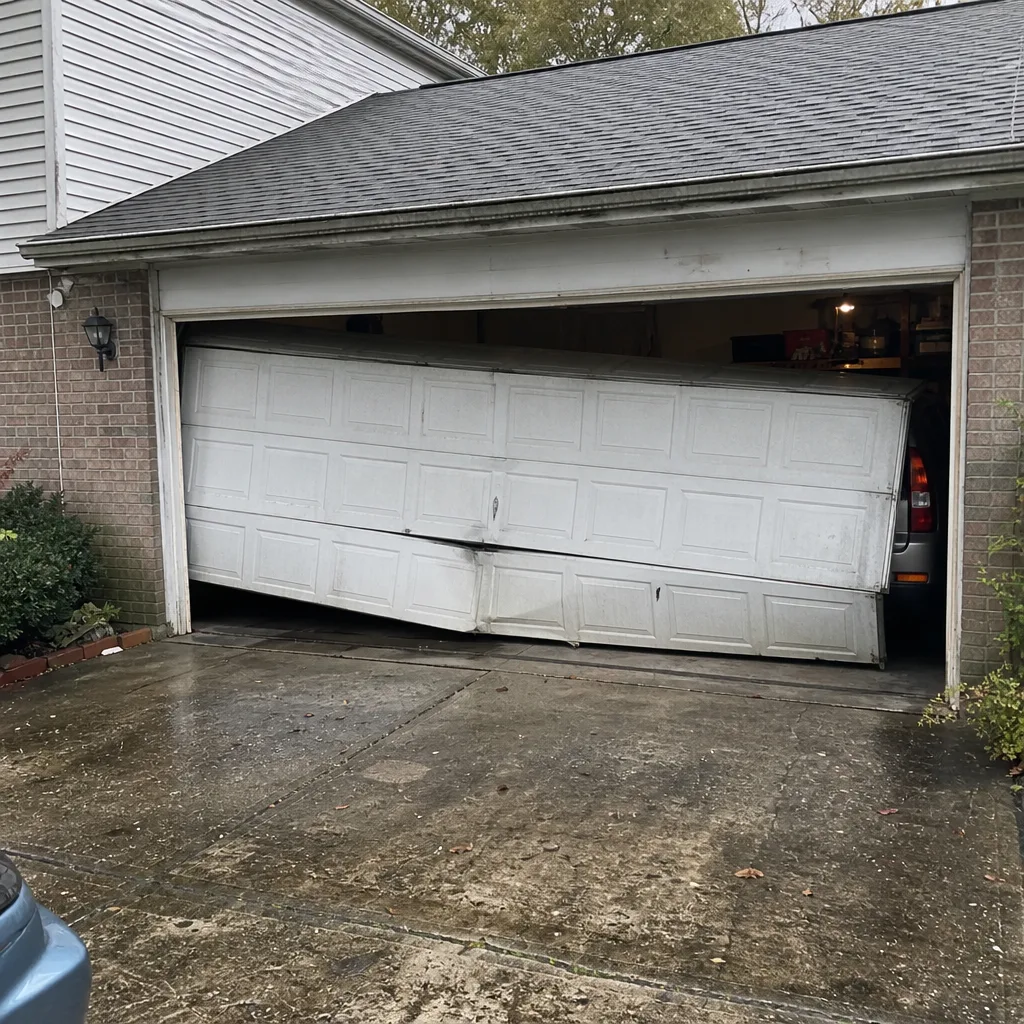 Before
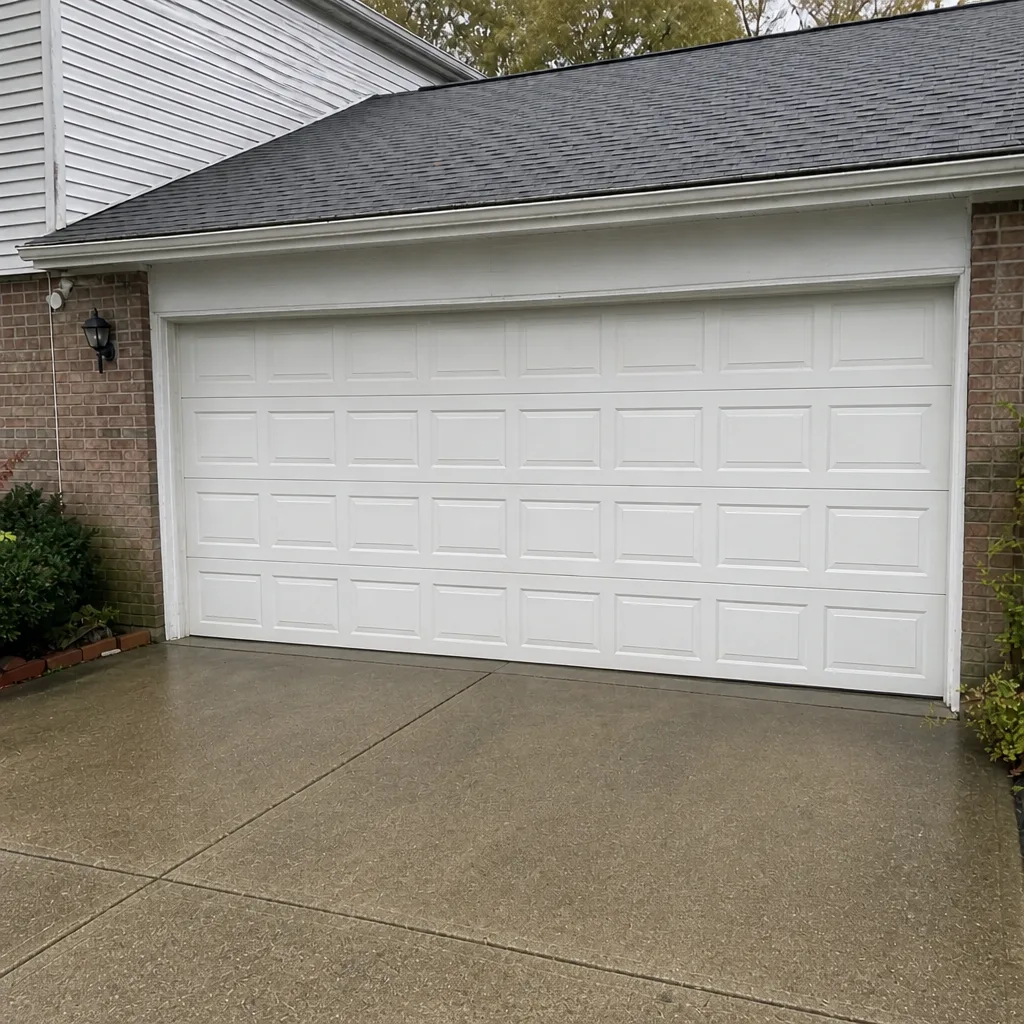 After
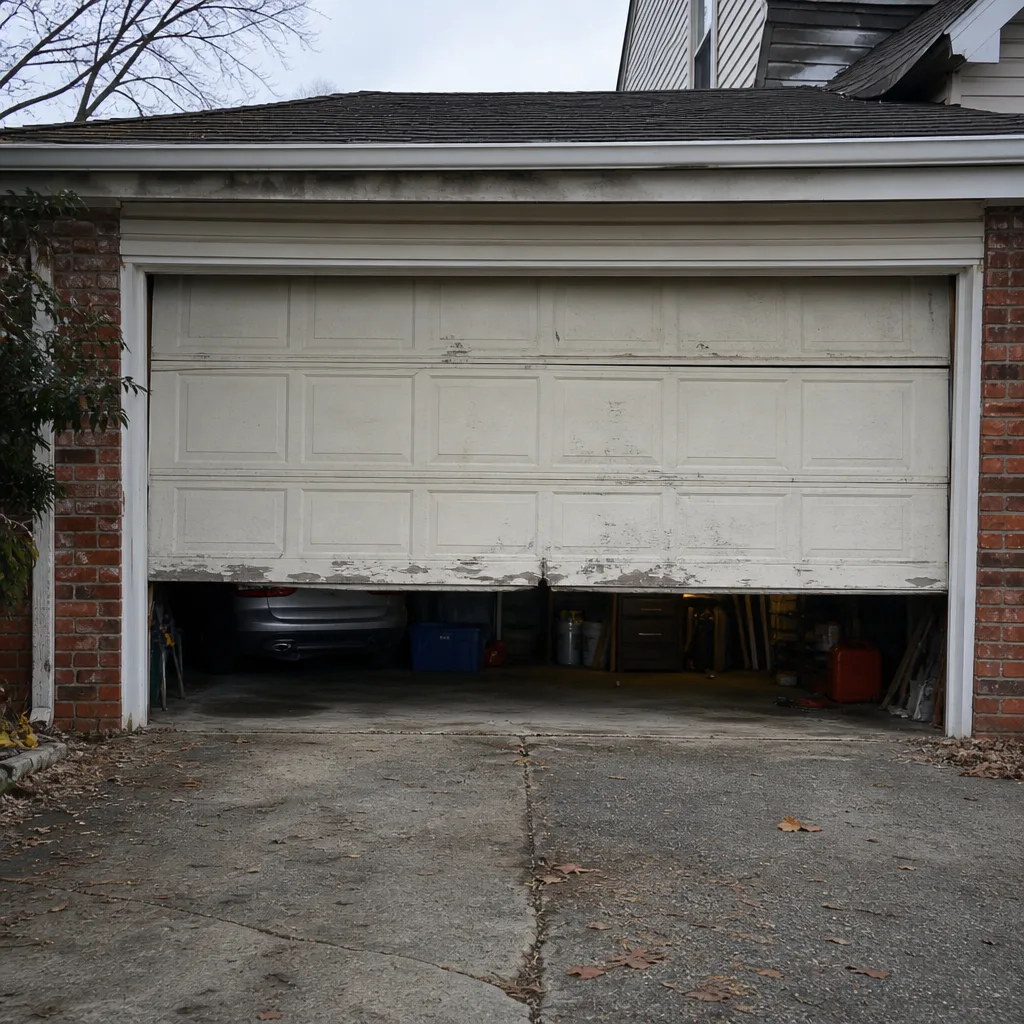 Before
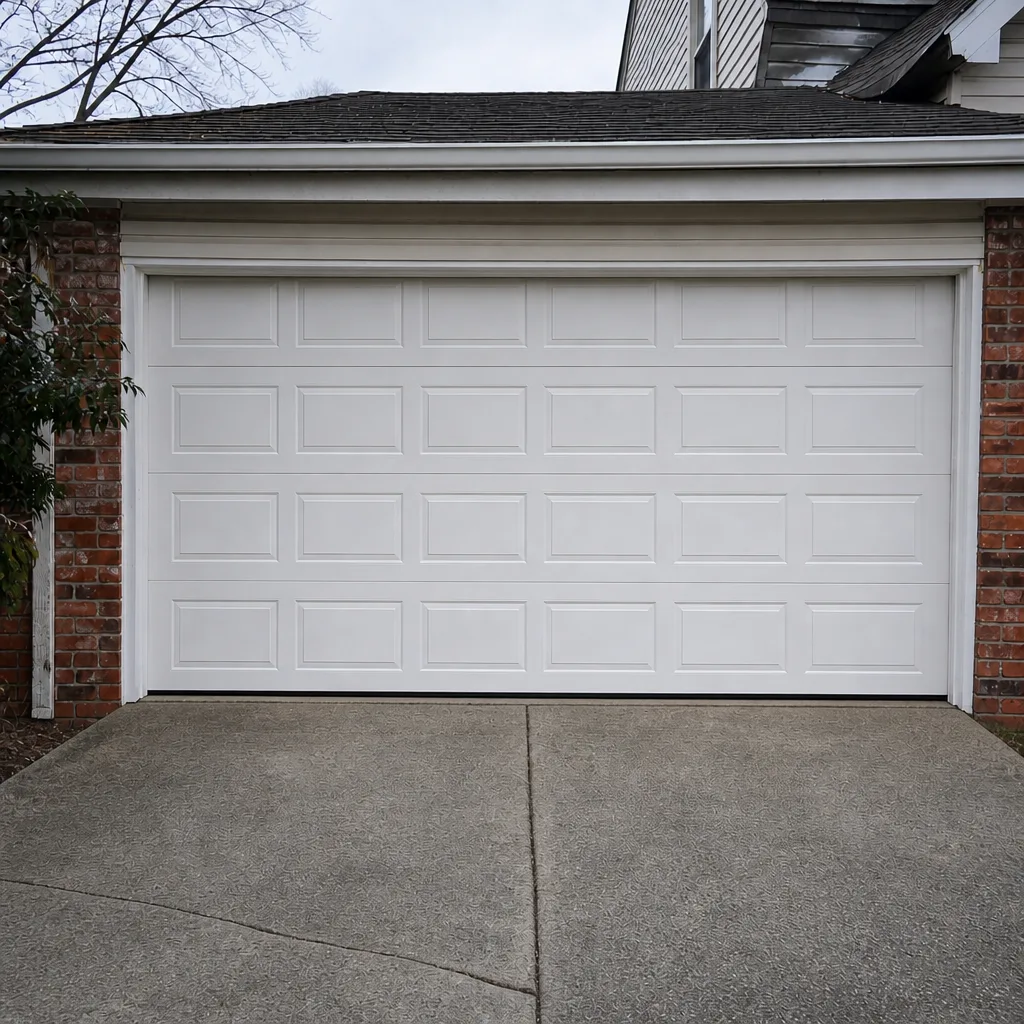 After
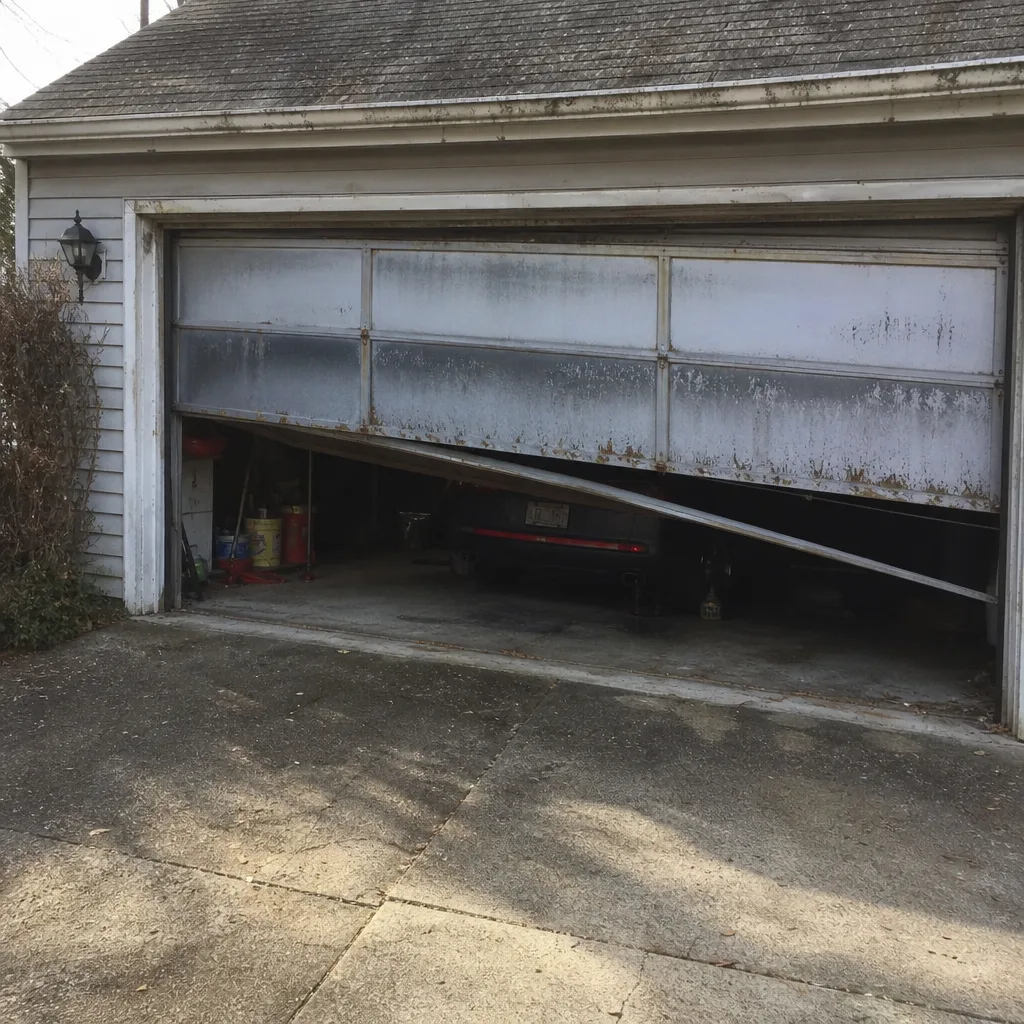 Before
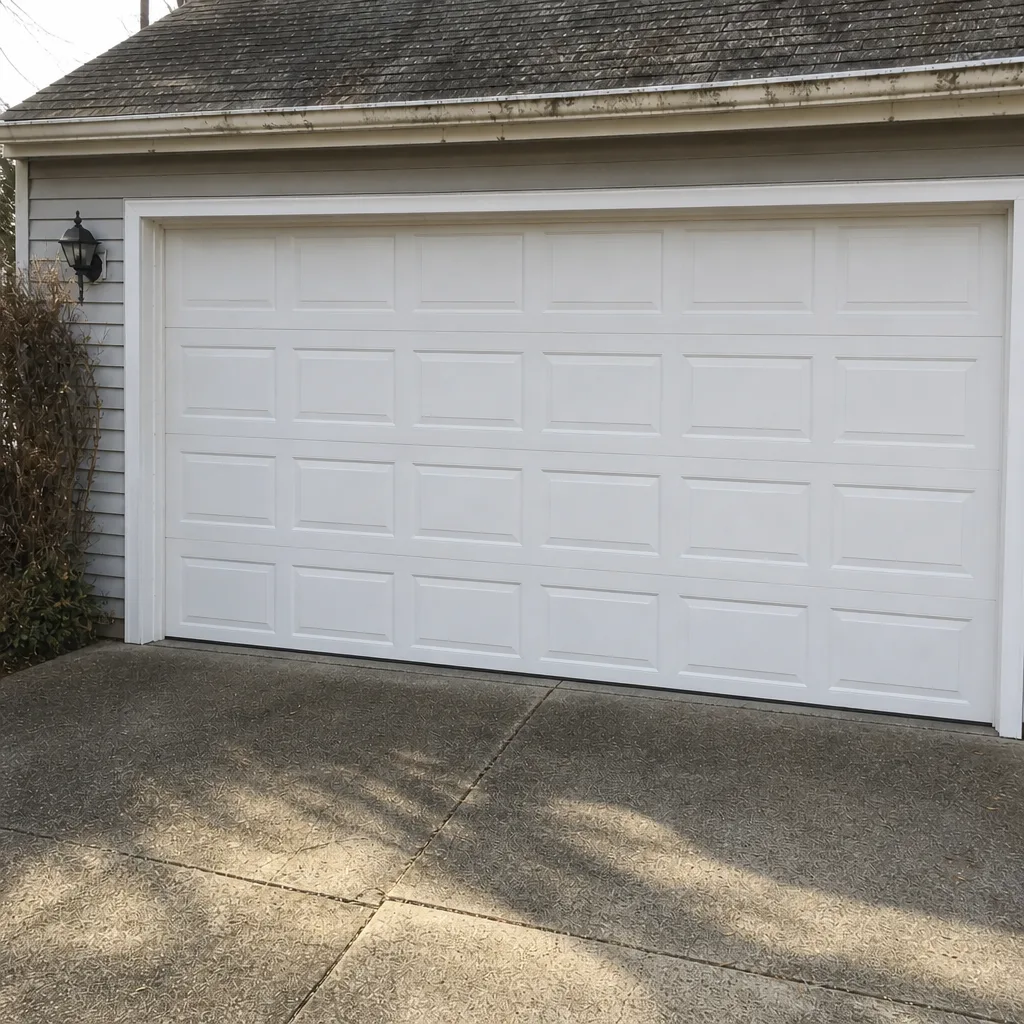 After
Frequently Asked Questions
Not always. A like-for-like replacement with no structural or electrical changes is typically exempt under Prince William County’s building permit rules. A project that changes the opening size, adds or relocates an opener circuit, or replaces a fire-rated door on an attached garage can require a permit. When in doubt, call the county building department. Call (833) 762-7918 for a free estimate on the door side of the project.
No. HOA architectural approval is a community standards review, and a building permit is a construction and safety review by Prince William County. They’re completely separate, and you need both when both apply. Get the HOA approval first, then confirm the county permit position. Call (833) 762-7918 for help understanding what a replacement actually involves.
You’ll need to pursue a retroactive permit through Prince William County. Start by checking the county’s permit history for your address, then talk to the building department about the specific door. Expect weeks for the review and possible corrective work if the inspector finds deficiencies. Call (833) 762-7918 for a free estimate on bringing the door into compliance.
An inspection reviews safety reversal on the opener, header and structural adequacy, fire-rated assembly for an attached garage, electrical connections, and mounting of the door, track, and spring system. The inspector confirms the installed work meets the Virginia Uniform Statewide Building Code. Call (833) 762-7918 to schedule the door work that will pass.
Cost varies by door, size, and whether the project involves a new opener or structural change, so there’s no single figure. The written estimate sets the final price, and we confirm it with you before any work begins. Call (833) 762-7918 for a free estimate that fits your specific door and opening.
Yes. We handle the installation, repair, spring, and opener side, and you manage the HOA and county permit process. We’ll tell you what the inspector will look for so the door passes. Call (833) 762-7918 to schedule a free measure and price.
The Bottom Line
The permit question for a Woodbridge garage door comes down to one thing: did the project change the building, or did it just replace a component? A like-for-like door swap is usually routine. A change to the opening, the electrical, or a fire-rated assembly can pull the county in. Sequence your HOA approval first, confirm the county permit position second, and keep every approval on file for your own protection at resale. When the door itself needs work, spring replacement is a job for trained technicians, not a weekend project. And if you discover an unpermitted door, deal with the retroactive permit before you list your home, not during the closing.
Our technicians have up to 12 years of experience across eight major garage door and opener brands. We work on your brand, and we handle repair, springs, openers, installation, and emergency service as one connected offering. Call (833) 762-7918 for a free estimate.
Written by the team at Woodbridge Garage Door Repair Experts.