Last updated November 23, 2026
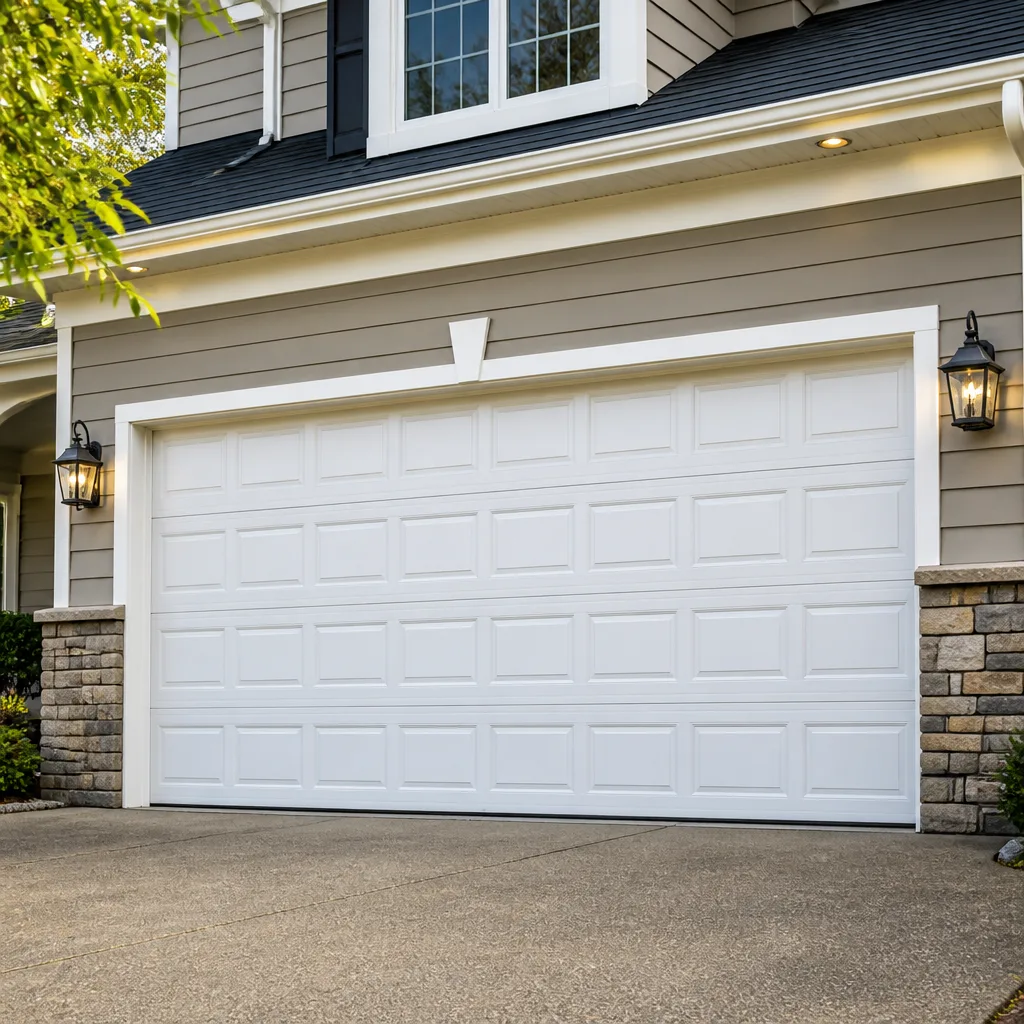 Raised-panel steel
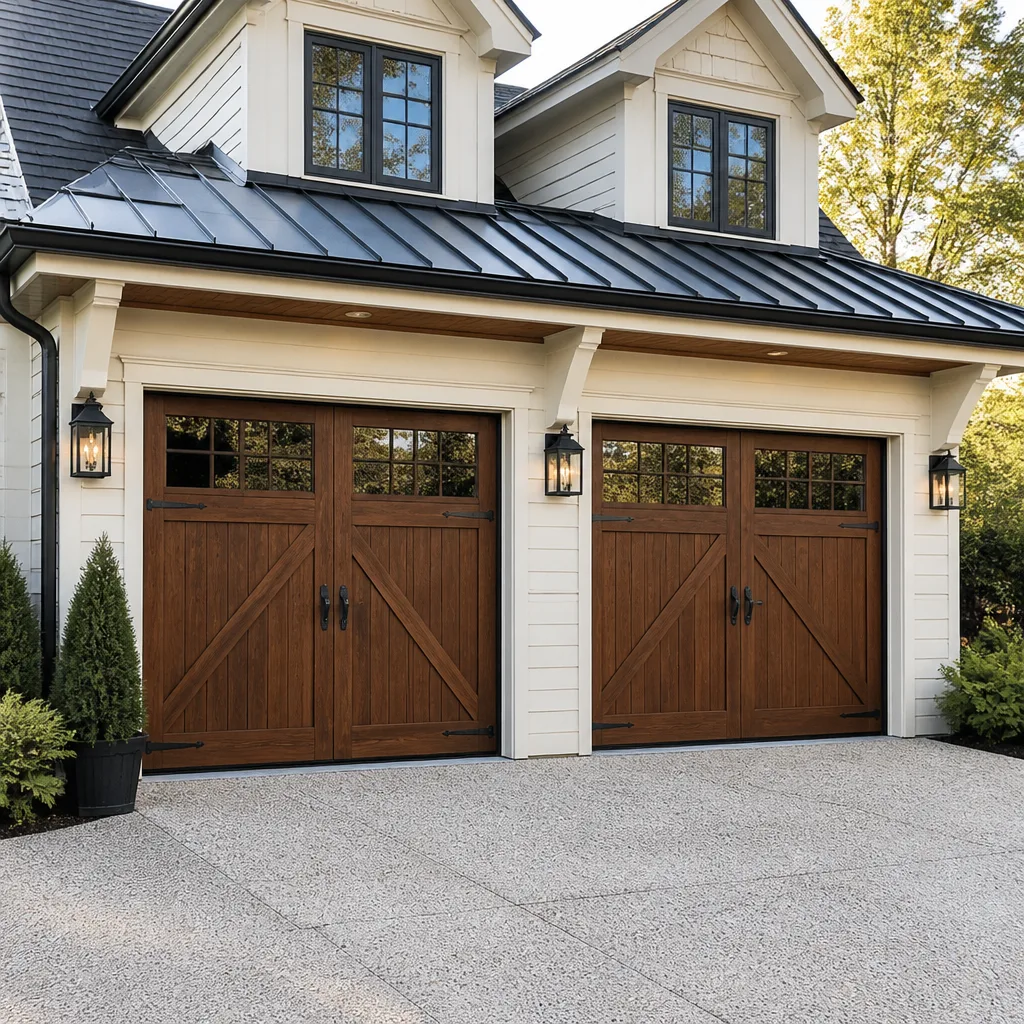 Carriage house
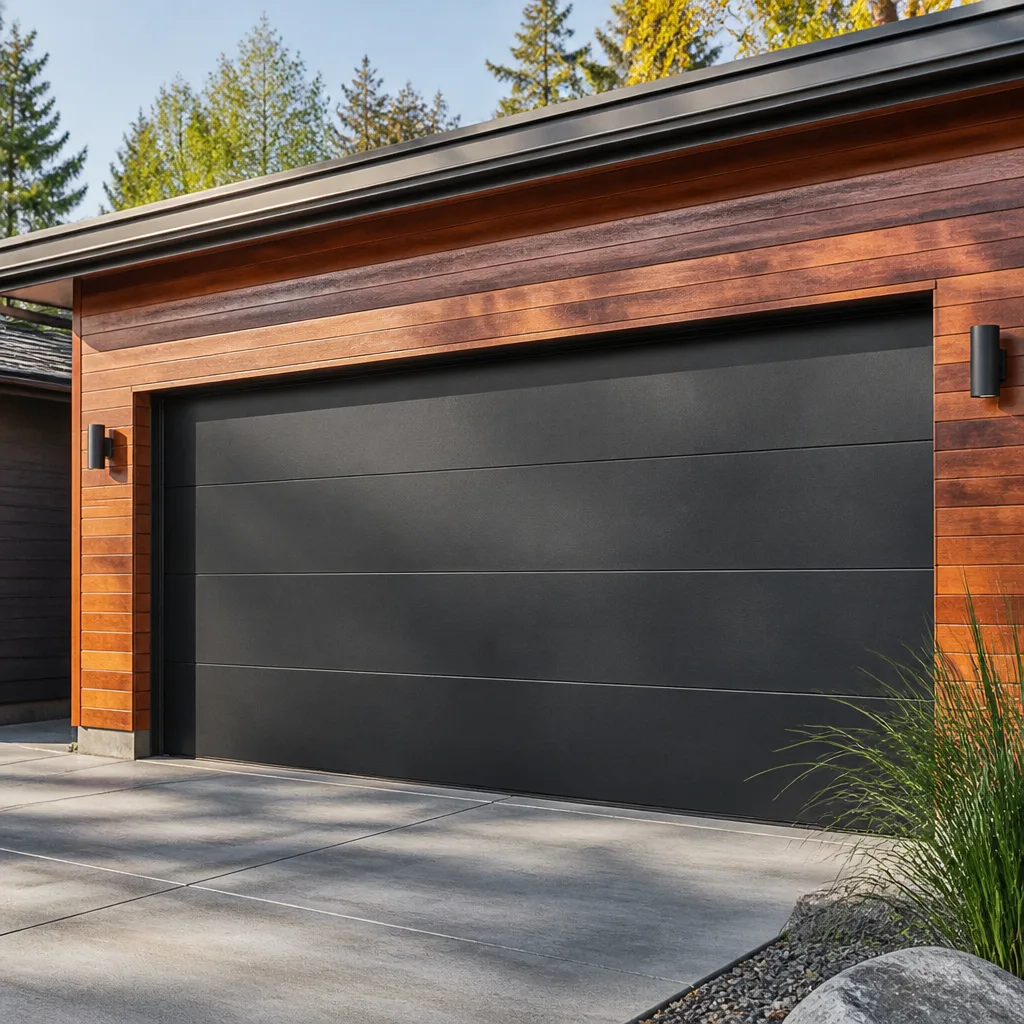 Modern flush
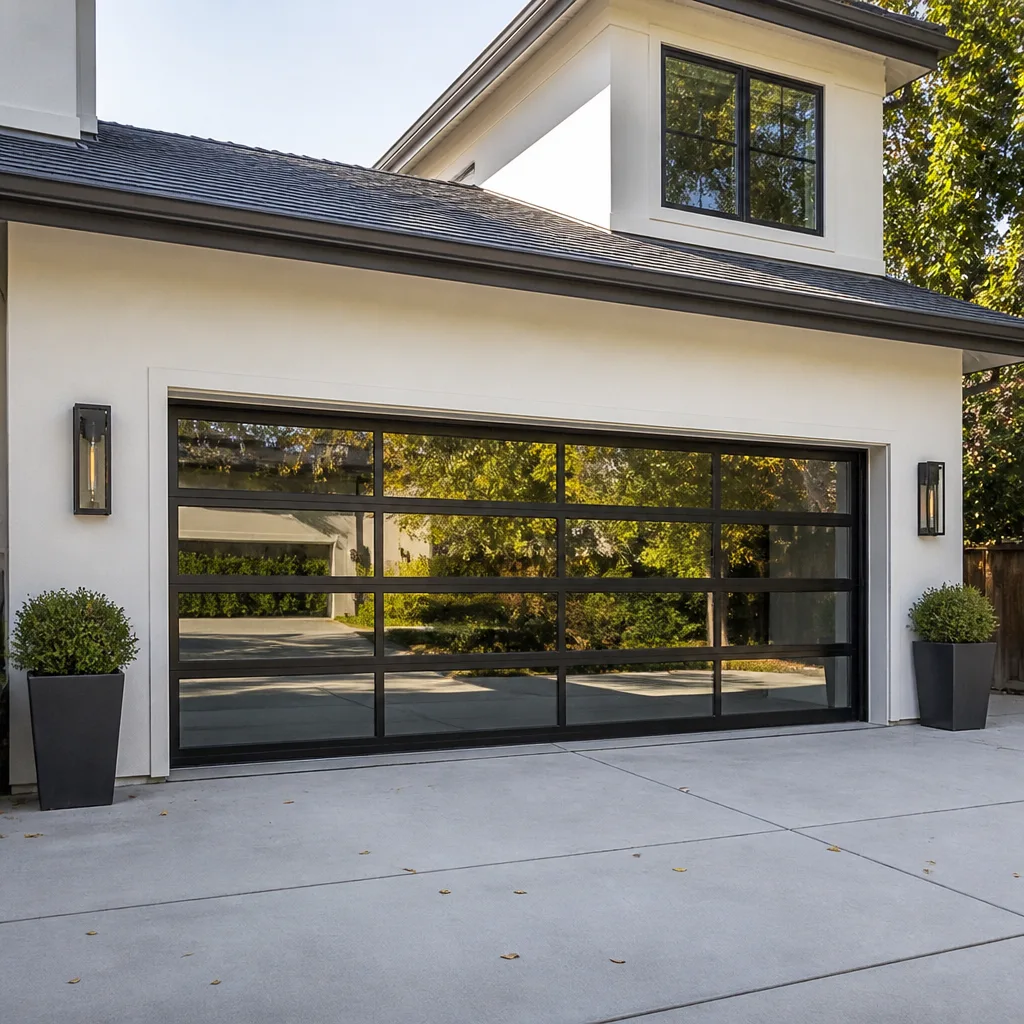 Full-view glass
 LiftMaster openers
 Chamberlain openers
Full 25-point door and opener safety check with every visit - springs, cables, rollers, tracks, and your LiftMaster or Chamberlain opener included
You get a price before we start. It does not change when the pro arrives.
Get your free estimateSeasonal Garage Door Care for Woodbridge: Year-Round Homeowner’s Guide
Most seasonal garage door guides are written for two climates that Woodbridge doesn’t have: the mild, frost-free South and the deep-freeze North. Woodbridge sits in a middle band that gets real winters, punishing July humidity, and a spring pollen season heavy enough to coat every exposed surface in yellow-green film. That combination breaks doors in ways a generic guide won’t prepare you for. The highest spring-failure risk here isn’t January. It’s March, when forty-degree swings in a single week cycle torsion springs through expansion and contraction faster than a steady cold snap ever does. This guide walks the Woodbridge calendar month by month, explains what each season does to your door, opener, seals, and hardware, and gives you a maintenance routine you can actually keep up with. Our technicians have up to 12 years of experience, and this is the seasonal rhythm we see across Prince William County.
Quick Answer
Garage door care in Woodbridge follows a four-season cycle: winter stresses seals, lubricant, and spring tension under freeze-thaw; spring brings the year’s highest spring-failure risk plus pollen that fouls opener sensors; summer humidity swells frames and stresses opener circuit boards in unconditioned garages; and fall is your highest-return prep window, when lubrication, balance checks, and seal inspection prevent the most common cold-weather failures. A three-minute monthly sensor cleaning and a twice-yearly lubrication routine do more for door longevity here than any single annual service visit.
Styles & brands we work with
- Raised-panel steel
- Carriage house
- Modern flush
- Full-view glass
- LiftMaster openers
- Chamberlain openers
Table of Contents
- Why Woodbridge’s Climate Is Hard on Garage Doors
- Winter Care: Freeze-Thaw, Seals, and Lubricant Viscosity
- Spring Care: The Post-Winter Inspection Sequence
- The Pollen Problem: Sensors, Photo-Eyes, and Phantom Reversals
- Summer Care: Humidity, Wood Composite, and Opener Electronics
- Fall Care: The Highest-ROI Pre-Winter Tasks, Ranked
- Your Woodbridge Garage Door Maintenance Calendar
- When to Call a Professional
Why Woodbridge’s Climate Is Hard on Garage Doors
A garage door is a large moving assembly made of materials that each respond differently to temperature and moisture. Steel expands and contracts. Wood and wood composite absorb and release water. Rubber seals stiffen in cold and soften in heat. Nylon rollers and plastic hinges change dimension too. In a stable climate, all of these materials move together. In Woodbridge, they don’t.
The problem is the transition zone. Woodbridge gets enough winter to freeze the ground and stiffen every seal on the door, then thaws within days, then freezes again. That freeze-thaw cycling is the single most destructive pattern for garage door hardware because it works on the joints, seams, and tension points rather than the solid surfaces. A door that sits at a steady twenty degrees for three months actually experiences less cumulative stress than a door that sees twenty degrees Monday and fifty degrees Thursday, over and over, from December through March.
Layered on top of that is a summer that runs humid enough to swell wood composite panels and push unconditioned garages above the temperature range most opener circuit boards were designed for. And between the two, a spring pollen load that settles into every crevice on the door and, more importantly, onto the small optical sensors that tell your opener whether something is in the way.
The practical takeaway: Woodbridge doors need attention at the seasonal transitions, not just in the dead of winter. The maintenance windows that matter most here are late fall (before the first hard freeze) and early spring (after the last one). Everything else is monitoring.
Winter Care: Freeze-Thaw, Seals, and Lubricant Viscosity
Winter in Woodbridge is less about sustained cold than about the swings. Sub-freezing nights followed by above-freezing afternoons compress and release the bottom seal dozens of times over a season. That cycling is what wears a seal out, not the cold itself.
The bottom seal is the rubber or vinyl strip along the bottom edge of the door. Its job is to close the gap between door and floor. When temperatures drop, the rubber stiffens and stops compressing properly, which opens small gaps along the floor line. Those gaps let cold air in and, more importantly, let meltwater and moisture in during the thaw half of the cycle. Repeated compression and release of a stiffened seal is what produces the permanent deformation, called compression set, that you’ll find when you inspect in spring.
Lubricant choice matters more here than in milder climates. Standard spray lubricants can thicken enough at Woodbridge’s overnight lows to slow roller movement and load the opener. A lithium-based grease holds its viscosity better across the temperature range Woodbridge actually sees, which keeps hinges, rollers, and the torsion bar moving freely through the cold months. Apply it to hinges, rollers, and the torsion bar bearings, not to the tracks themselves (tracks stay clean and dry) and never to the springs, which are under tension and should be left alone.
What to check through winter:
- Bottom seal contact: With the door closed, look along the floor line for daylight or drafts. A seal that no longer touches the floor is the first thing to fail in this climate.
- Roller and hinge noise: Grinding or squealing that appears only on cold mornings is usually lubricant viscosity, not a failing part.
- Door speed: An opener that labors in cold weather may be fighting stiff lubricant or a seal dragging on the floor. Don’t ignore it; it loads the motor every cycle.
- Frost on the interior face: Condensation or frost inside the garage points to a seal or weatherstrip gap that will get worse before spring.
One safety note that applies all winter: never try to adjust, tension, or replace a torsion spring yourself. Those springs store enormous energy, and a spring that fails under load can cause serious injury. Spring work is a trained-technician job, full stop. If your door feels heavy or the opener strains to lift it, call for garage door spring repair rather than testing it further.
Spring Care: The Post-Winter Inspection Sequence
March is the month that finds the weak springs in Woodbridge. The freeze-thaw cycle has run all winter, and the rapid warm-up puts torsion springs through expansion and contraction cycles that exceed the stress of a steady cold winter. A spring that was marginal in January often fails in March, and it usually fails when the door is up, which is the worst possible moment.
Spring is also when you do the inspection that winter made necessary. Work through these steps in order, because each one depends on the previous:
- Check the door’s balance first. Disconnect the opener (pull the release handle) and lift the door halfway by hand, then let go. A properly balanced door stays put. A door that drifts down has a spring or cable problem and should not be operated until it’s checked by a technician.
- Look for track gaps and misalignment. After freeze-thaw, the vertical tracks can shift at their anchor points. Sight down each track from the floor; it should be straight and the gap between track and roller should be even top to bottom. A visible kink or a roller riding hard against one side means the track needs realignment.
- Inspect the cables for wear. Look at the cables running along each side of the door. Fraying, kinks, or a cable that’s jumped its drum are all stop-and-call signs. Don’t operate the door with a damaged cable.
- Check weatherstrip compression set. Look at the seal along the sides and top of the door frame. If it’s flattened and no longer springing back, it’s set and isn’t sealing. The bottom seal is often in the same condition after winter.
- Test the safety reverse. Put a roll of paper towels or a piece of scrap wood in the door’s path and close it. The door should reverse on contact. If it doesn’t, the opener needs attention before you trust it.
- Lubricate hinges, rollers, and bearings. Spring is a good time for the second full lubrication of the year (fall is the other).
If the balance check in step one fails, stop there. A door that won’t hold position has a tension problem, and operating it repeatedly accelerates wear on the opener and cables. This is the point where garage door repair is the right call rather than a checklist item.
The Pollen Problem: Sensors, Photo-Eyes, and Phantom Reversals
Woodbridge’s pollen season runs roughly March through May, and it’s the most underrated cause of garage door trouble in this area. The safety sensors mounted near the floor at each side of the door opening use an infrared beam. When pollen film builds up on the lenses, the beam weakens, and the opener interprets the weak signal as an obstruction. The door reverses on its own. Sometimes it closes partway and goes back up. Sometimes it refuses to close at all.
Homeowners often read this as an opener failure and start pricing a replacement. Usually it’s a dirty lens. The fix takes three minutes:
- Locate the two sensors, one on each side of the door opening, a few inches off the floor.
- Wipe each lens with a soft, dry cloth. Don’t spray cleaner directly on the lens; dampen the cloth instead.
- Check that neither sensor has been bumped out of alignment. Each should have a small indicator light; a steady light means it’s receiving the beam, a flickering or dark light means it isn’t.
- Repeat every couple of weeks through pollen season, and after any windy day when pollen counts spike.
The same pollen film coats the photo-eye on the door’s leading edge if your opener has one, and it settles into the track channels where it combines with lubricant to form a gritty paste that accelerates roller wear. A quick wipe of the tracks with a dry cloth during pollen season keeps that from building up.
If a sensor cleaning doesn’t stop the phantom reversals, the problem is in the opener’s logic or wiring rather than the lens. That’s garage door opener repair territory, and it’s worth having a technician look at it rather than living with a door that reverses at random. LiftMaster and Chamberlain units with myQ and Genie openers with Aladdin Connect all use the same basic sensor logic, so the symptom looks identical regardless of brand.
Summer Care: Humidity, Wood Composite, and Opener Electronics
Woodbridge’s July and August humidity does two things to a garage door that most guides skip. First, it works on the door itself. Wood and wood composite panels absorb moisture from humid air and swell. That swelling pushes against the frame, tightens the fit, and can cause the door to bind in its tracks or the panels to bow slightly. It also moves the door frame itself; a frame that fits cleanly in April can be tight enough to drag in August. Clopay and similar composite-panel doors are engineered for this, but the movement is real and it’s why a door that sticks only in summer isn’t a track problem; it’s a moisture problem.
The second effect is on the opener. Most garages in Woodbridge aren’t climate-controlled. In an unconditioned garage, interior temperatures in July and August can climb well above the range opener circuit boards were designed for. Heat stresses the electronics, and the components most vulnerable are the logic board and the capacitor. A door that behaves normally in cool weather and misbehaves on hot afternoons is often showing you a heat-stressed board rather than a mechanical fault.
What to do in summer:
- Watch for summer-only binding. If the door drags or hesitates only on humid days, check the gap between door and frame. Don’t force it; that loads the opener.
- Keep the garage ventilated. A garage that’s closed up all day in July gets hotter than the outside air. Cracking a window or a vent helps the opener electronics as much as it helps you.
- Look for condensation on the door’s interior face. Persistent condensation on wood composite panels points to a moisture problem that will get worse, not better, if ignored.
- Listen for opener strain on hot days. An opener that sounds labored in the heat may be fighting swollen door panels, a heat-stressed board, or both.
If your opener has been misbehaving all summer and the sensor cleaning didn’t help, a technician can tell the difference between a mechanical bind and an electronics problem quickly. That diagnostic step saves you from replacing an opener that only needed a board or a capacitor.
Fall Care: The Highest-ROI Pre-Winter Tasks, Ranked
Fall is the highest-return maintenance window on the Woodbridge calendar, because everything you fix in October and November is something that doesn’t fail in January. These tasks are ranked by how often they show up as winter repair calls:
- Replace a worn bottom seal. This is the number one pre-winter task in this climate. A seal that’s already compressed or cracked will fail completely once the freeze-thaw cycle starts. Replacing it in fall costs far less than dealing with the moisture and cold-air problems a failed seal creates all winter.
- Full lubrication with lithium-based grease. Hinges, rollers, and torsion bar bearings. This sets the door up to move freely through the cold months before lubricant viscosity becomes an issue.
- Balance and spring check. Test the door’s balance by hand (release the opener, lift halfway, let go). A door that doesn’t hold position going into winter is a spring failure waiting to happen in March or sooner. Have it checked before the cold.
- Weatherstrip inspection on sides and top. Look for compression set, cracks, or gaps. Fall is the time to replace it, not after the first hard freeze.
- Track and hardware tightening. Bolts loosen over a season of use. A quick pass with a wrench on the track brackets and hinge bolts prevents the rattles and misalignment that cold weather amplifies.
- Safety reverse test. One last check before the door runs all winter. If the reverse doesn’t work, fix it now.
If you do only one thing this fall, make it the bottom seal. It’s the cheapest item on the list and the one most likely to fail first in Woodbridge’s freeze-thaw pattern. The full lubrication comes second, because it protects the parts that are expensive to replace.
Your Woodbridge Garage Door Maintenance Calendar
Here’s the full year at a glance. This is the rhythm that matches what actually happens to doors in Woodbridge, not a generic national schedule.
- Monthly, year-round: Wipe the safety sensor lenses (three minutes). Test the safety reverse. Listen for new noises.
- December through February: Watch the bottom seal for daylight at the floor line. Watch for cold-morning noise that disappears as the day warms (lubricant viscosity). Don’t operate a door that feels heavy or fails its balance check.
- March: The highest spring-failure risk month. Do the full post-winter inspection: balance, track gaps, cable wear, weatherstrip compression set, safety reverse. Start the pollen-season sensor cleaning routine.
- March through May: Sensor and photo-eye cleaning every couple of weeks. Wipe pollen film from tracks.
- June through August: Watch for summer-only binding (humidity swelling). Keep the garage ventilated. Note any opener misbehavior that appears only on hot days.
- September through November: The highest-ROI window. Replace a worn bottom seal, do the full lubrication, run the balance and spring check, inspect weatherstrip, tighten hardware, test safety reverse.
Two full lubrications a year (spring and fall), one full inspection at each seasonal transition, and a monthly three-minute sensor wipe cover the vast majority of what this climate throws at a door. The rest is paying attention when something changes.
See the difference
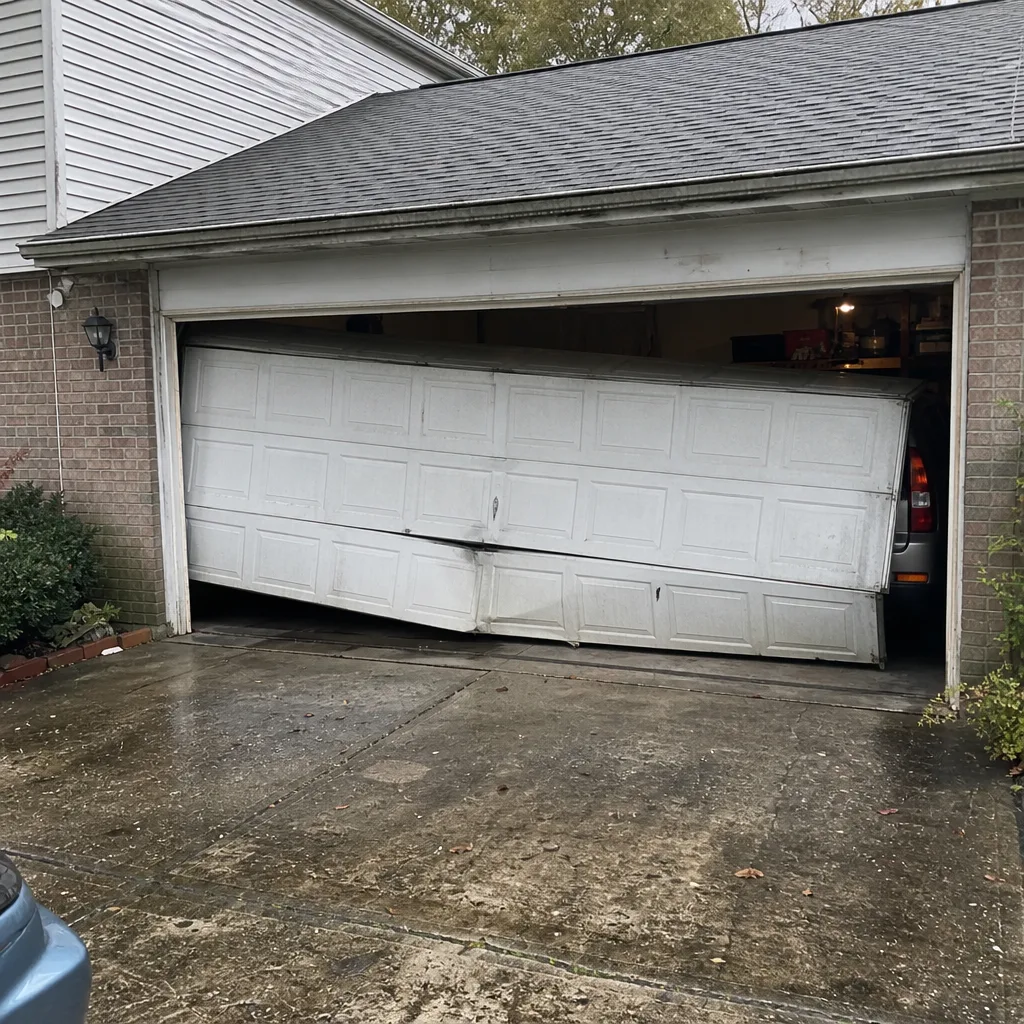 Before
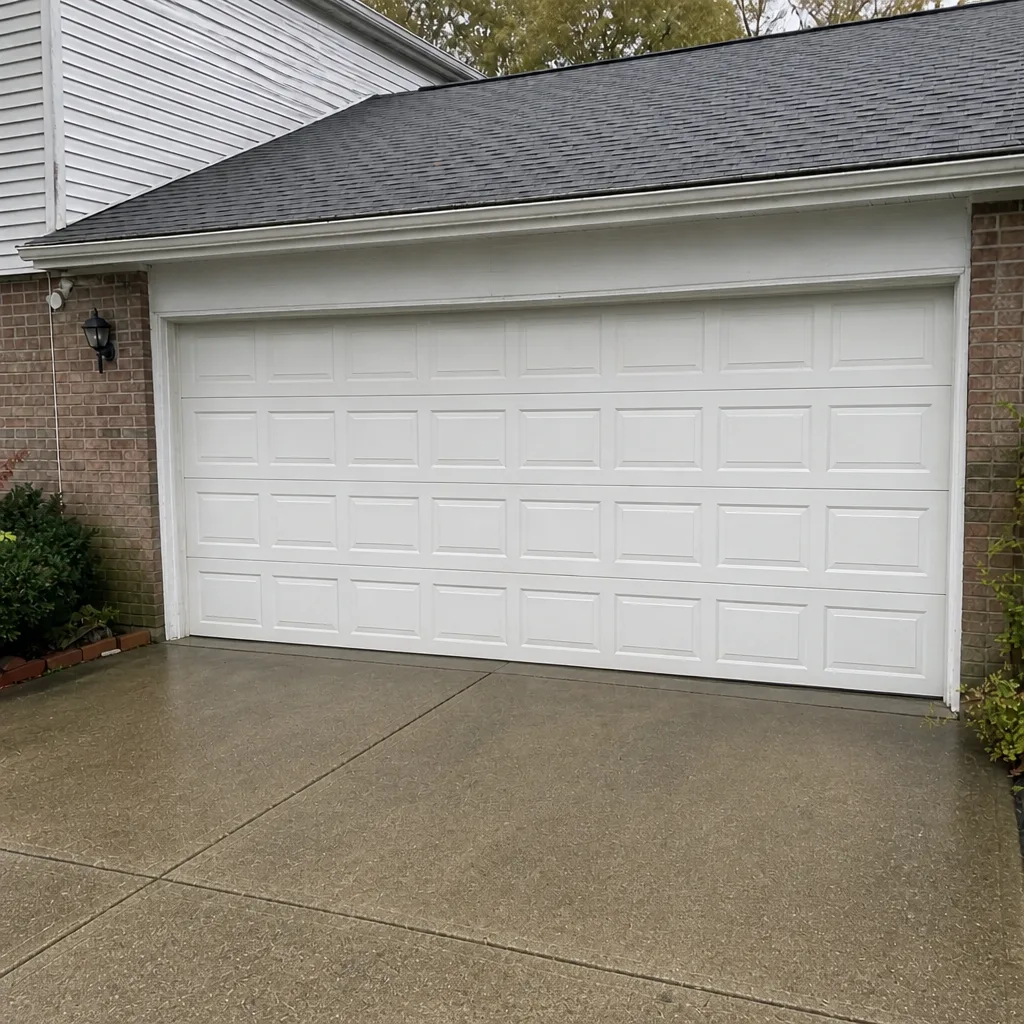 After
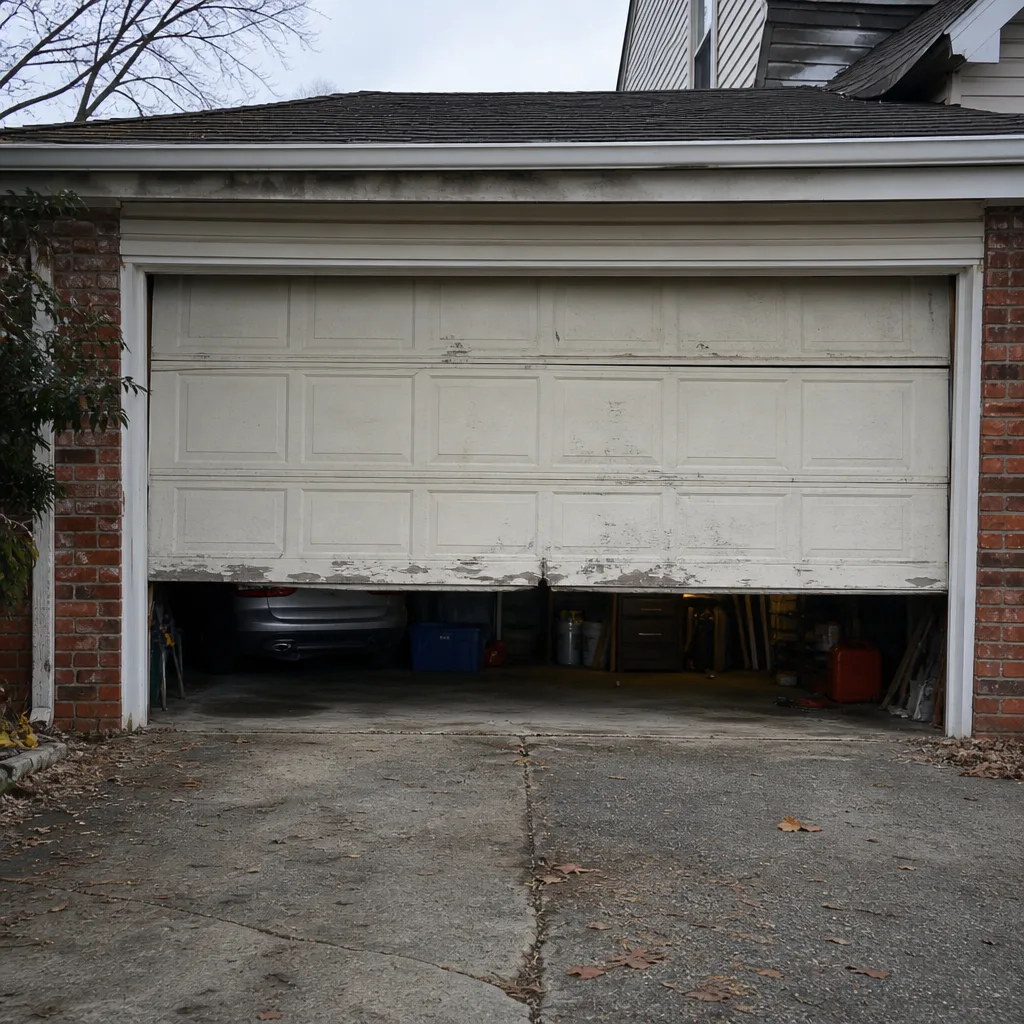 Before
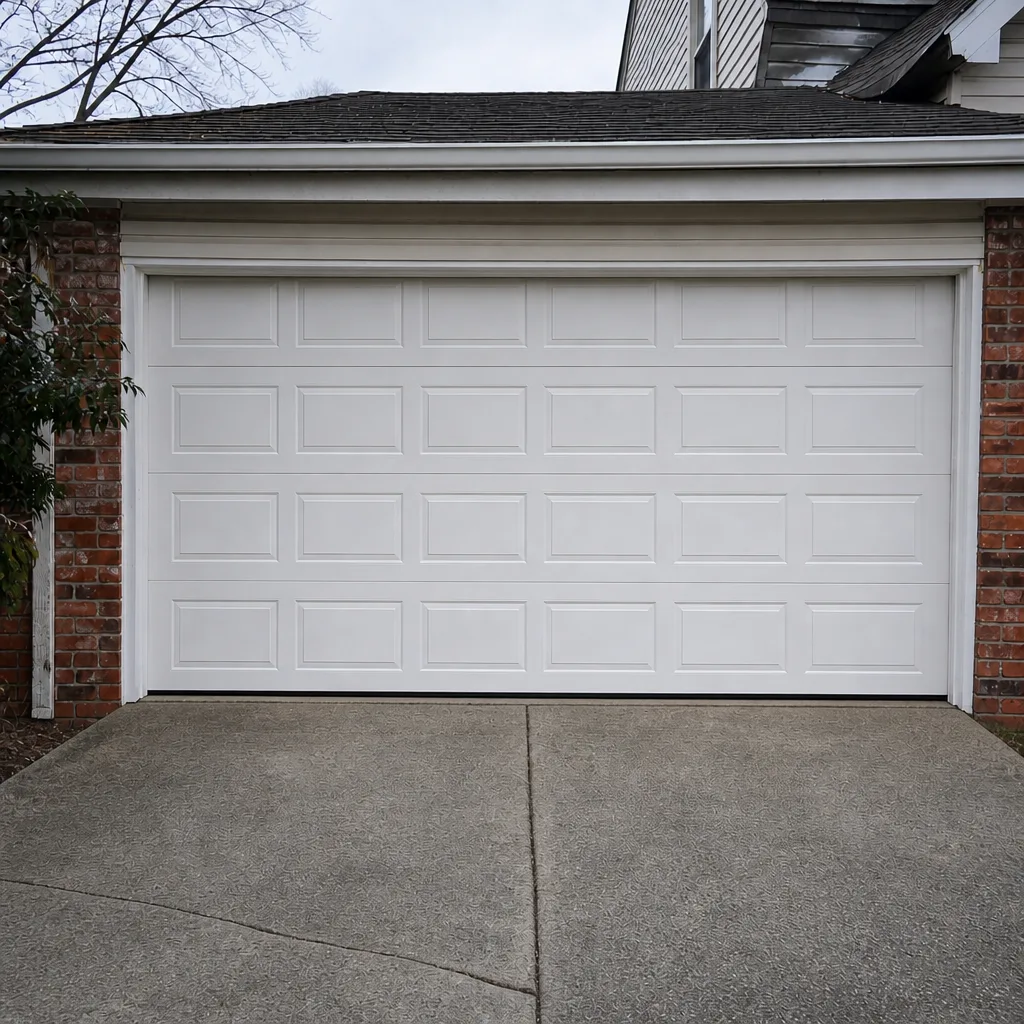 After
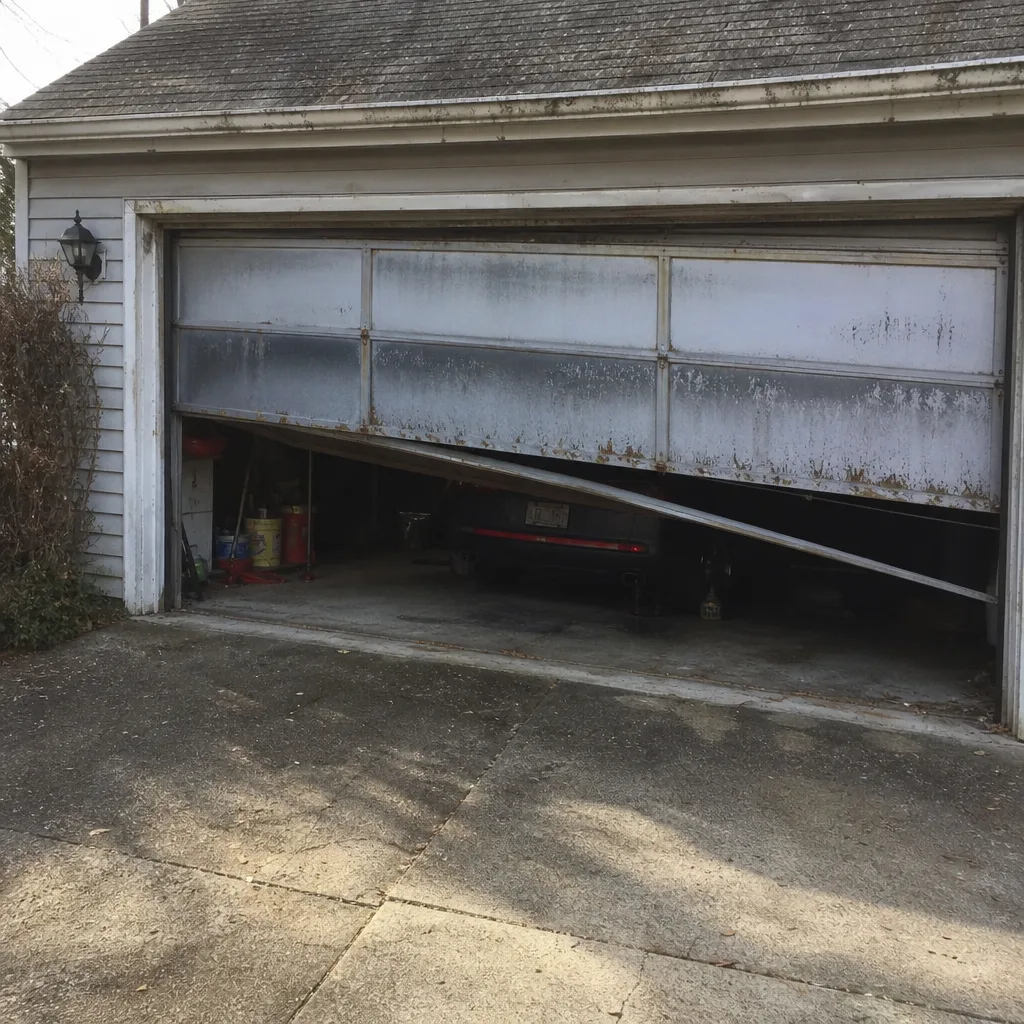 Before
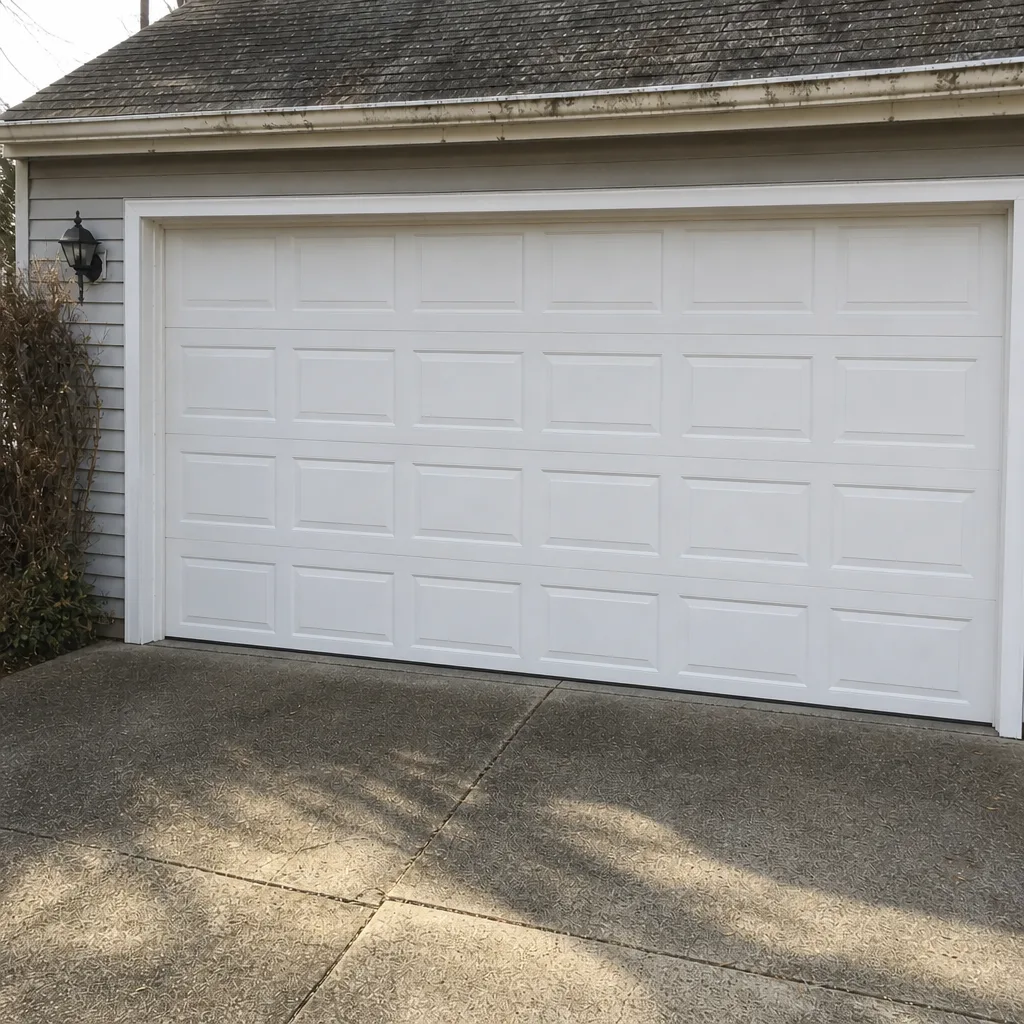 After
Common Mistakes to Avoid
- Using standard spray lubricant through winter. It thickens at Woodbridge’s overnight lows and loads the opener. Lithium-based grease holds its viscosity across the range this area actually sees. The wrong lubricant is worse than none in January.
- Skipping the fall bottom-seal check. A seal that’s already worn going into winter fails completely once freeze-thaw starts. Replacing it in fall prevents a season of cold-air and moisture problems that cost more than the seal.
- Reading phantom reversals as an opener failure. In Woodbridge’s pollen season, a dirty sensor lens mimics a dead opener. Homeowners price replacements for a problem a dry cloth fixes in three minutes.
- Treating summer-only binding as a track problem. If the door drags only on humid days, the cause is swelling, not misalignment. Forcing it or adjusting the track makes it worse. Ventilate the garage and check the door-to-frame gap.
- Operating a door that fails the balance test. If the door won’t hold position when you lift it halfway by hand, the spring or cable is compromised. Every cycle you run it accelerates wear and increases the risk of a sudden failure.
- Touching the torsion springs yourself. They store enough energy to cause serious injury even when the door is down. Spring adjustment and replacement belong to trained technicians, and no seasonal checklist changes that.
- Ignoring a door that behaves differently in one season. Seasonal behavior is information. A door that only sticks in summer, only squeals in winter, or only reverses in spring is telling you which system needs attention. Treat the pattern as a diagnostic clue, not a quirk.
When to Call a Professional
Some seasonal tasks are homeowner work: sensor cleaning, lubrication, visual inspection, the balance test. Others aren’t, and knowing the line saves you money and prevents injury. Call a technician when the door fails its balance check, when you see cable fraying or a jumped cable, when a track is visibly bent or a roller is riding hard against one side, when the safety reverse doesn’t work after a sensor cleaning, or when the opener misbehaves in a way that doesn’t clear up. Spring work is always a call, never a DIY project. The same goes for a door that’s been hit or has a panel out of alignment. Woodbridge Garage Door Repair Experts offers free estimates in Woodbridge – call (833) 762-7918 to book a seasonal inspection or get a written price on a repair. The written estimate sets the final price, and you’ll know the number before any work starts. We work on LiftMaster, Chamberlain, Genie, Clopay, and other major brands, so the technician who arrives already knows your equipment.
Frequently Asked Questions
March, not January. The freeze-thaw cycle puts torsion springs through rapid expansion and contraction as temperatures swing forty degrees in a week, and that cycling exceeds the stress of a steady cold winter. A spring that was marginal in January often fails in March, so the post-winter inspection in early spring is the most important one on the calendar. If your door fails the balance test, call (833) 762-7918 for a free estimate.
Twice a year, in fall and spring, with a lithium-based grease on the hinges, rollers, and torsion bar bearings. Lithium grease holds its viscosity better than standard spray at Woodbridge’s winter lows, which keeps the door moving freely through the cold months. Keep the tracks clean and dry, and never lubricate the springs. Call (833) 762-7918 if you’d rather have a technician do it.
Almost always a dirty safety sensor lens. Woodbridge’s pollen season runs March through May, and pollen film on the sensor lenses weakens the infrared beam, which the opener reads as an obstruction. Wipe both lenses with a dry cloth and check that neither sensor was bumped out of alignment. If it still reverses after cleaning, call (833) 762-7918 for opener repair.
Yes. Wood and wood composite panels absorb moisture and swell in Woodbridge’s July and August humidity, which can make the door bind in its tracks or the frame tighten around it. Unconditioned garages also get hot enough to stress opener circuit boards. A door that sticks only on humid days is showing you a moisture problem, not a track problem. Call (833) 762-7918 for a diagnosis.
No. Torsion springs store enough energy to cause serious injury even with the door down, and a spring failure under load can be dangerous. Spring replacement and adjustment require trained technicians and proper tools. This is the one seasonal task that is never homeowner work. Call (833) 762-7918 for spring replacement done safely.
Replacing a worn bottom seal before the first hard freeze. It’s the cheapest item on the fall list and the part most likely to fail first in Woodbridge’s freeze-thaw pattern. A seal that’s already compressed or cracked will fail completely once winter starts. Full lubrication comes second. Call (833) 762-7918 for a free estimate on seal replacement or a seasonal inspection.
The Bottom Line
Woodbridge garage door care comes down to matching your maintenance to the calendar this area actually has. The danger months are March, when freeze-thaw finds weak springs, and the fall window, when a few cheap tasks prevent most winter failures. Winter is about seals and lubricant viscosity; spring is the post-winter inspection sequence; summer is humidity and opener electronics; and pollen season is a three-minute sensor-cleaning routine that prevents most phantom reversals. Do the monthly sensor wipe, the twice-yearly lubrication, and the two seasonal inspections, and your door will handle a Woodbridge year without surprises. When something falls outside the checklist, that’s when you call.
Woodbridge Garage Door Repair Experts works on repair, opener repair, spring replacement, and new door installation, and handles emergency calls when a door won’t open or close. Call (833) 762-7918 for a free estimate. We work on your brand, from LiftMaster and Chamberlain to Genie and Clopay, and every price is quoted and agreed before any work starts. You can also start with our Woodbridge Garage Door Repair Experts homepage to see the full range of services.
Written by the team at Woodbridge Garage Door Repair Experts.